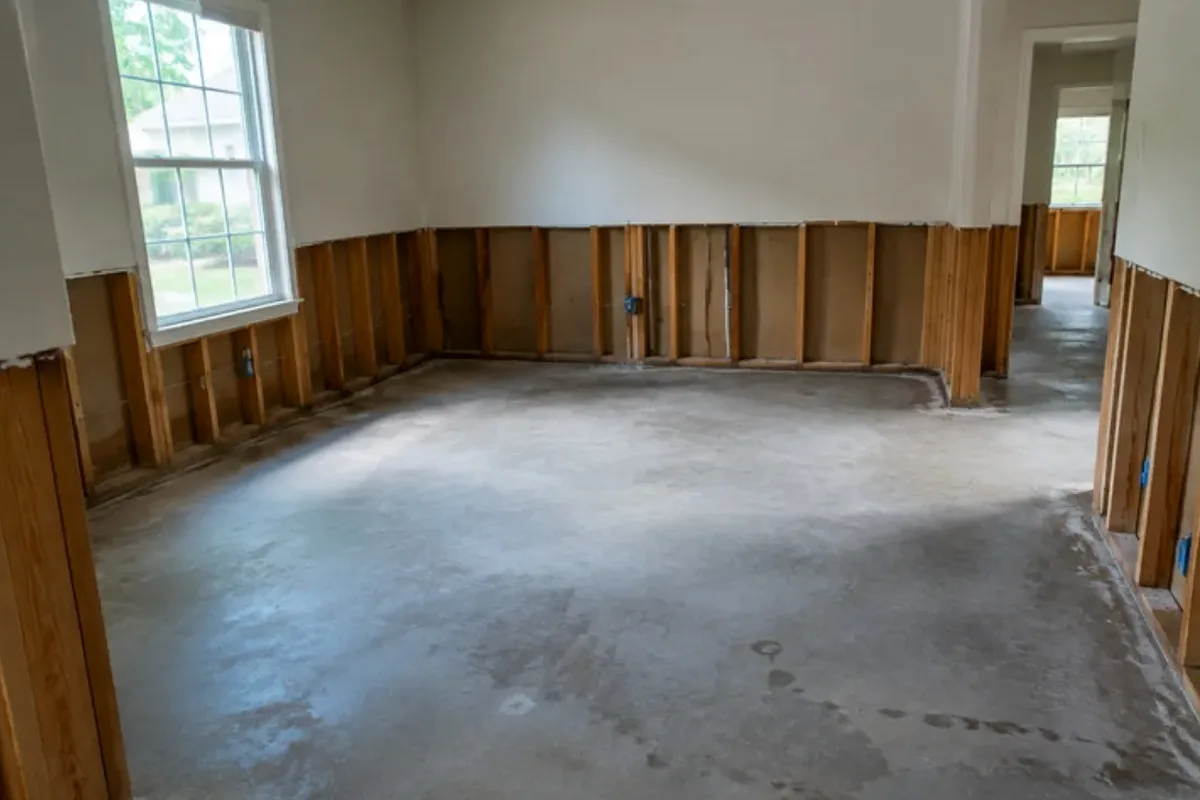
Flood mold work means getting the structure dry, cutting out materials that cannot be saved and cleaning what remains. The sooner water is out, the less has to be torn out. Call the number on this page to be connected with a local mold company in Mansfield.
Quick check after the water recedes
- Soft or swollen baseboards
- Carpet that stays damp underfoot
- Stains rising up drywall from the floor
- Fogged or wet insulation in the attic
- Musty smell near doors and vents
Several together suggest more than surface damp, so do not wait for the smell to fade on its own.
Flash flooding near creeks and low spots
Heavy rain can send water over creek banks and across low crossings in a short time. Homes near drainage channels, in dips of a neighborhood or below street grade may see water at the garage, entry or slab edge, even without a named river nearby.
Many 2000s neighborhoods in Mansfield sit on graded lots where runoff is meant to drain away. Clogged drains or changed grading can send water to the slab edge instead.
Useful local contacts for Mansfield
TDLR issues separate mold assessment and mold remediation credentials. A two-minute lookup on TDLR's search confirms the company holds the right one for the job you're hiring it to do.
Under TDLR rules, the assessor writes the remediation protocol, the remediator follows it with its own work plan, and a separate assessor handles the post-remediation check.
Remediation itself is cleanup, but putting the room back together can be permitted work; ask the contractor whether Mansfield's Building Safety Department needs to be involved.
For flood zone questions after a heavy North Texas storm, FEMA's flood maps and your insurance agent can confirm the mapped zone for an address.
Companies that take calls here usually also work in Kennedale, Midlothian and Cedar Hill.
Assessment, plan and clearance
Texas generally separates the company that writes the assessment and protocol from the one that does the removal, and a larger job ends with clearance. Those steps add cost, but they also give you an independent finding that the work is finished. Ask who writes each document.
Ask before work begins
- Does the company hold a TDLR mold license?
- Where did the water come from, and is that fixed?
- What is coming out and what is staying?
- How will dust and spores be contained?
- Who confirms the job is finished?
Write the answers down and compare them across companies before you decide.
Do not seal the house up wet
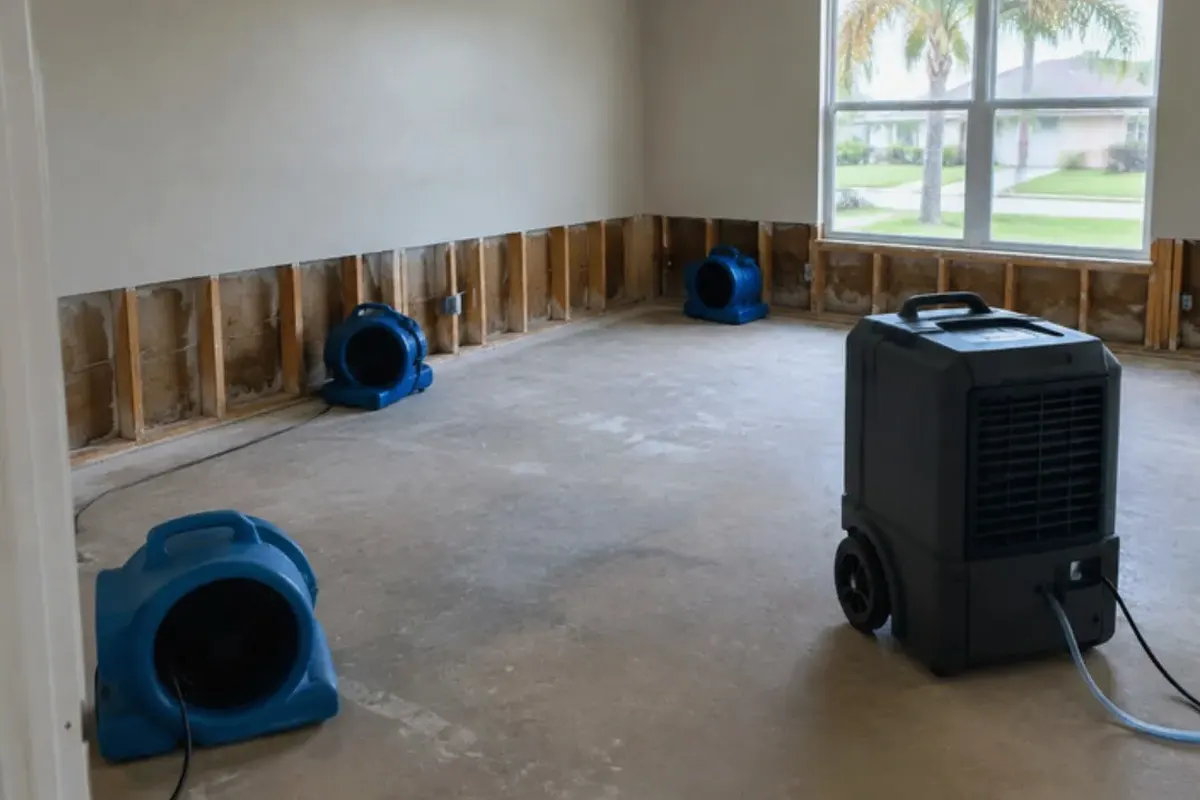
Closing windows and running only the AC after a flood can trap humidity. EPA suggests indoor humidity below about 60 percent, ideally 30 to 50. Use a dehumidifier, move air with fans and check readings with an inexpensive hygrometer. Run the unit until readings stay steady.
Storm & Flood Mold Removal questions in Mansfield
Who removes mold after storm damage?
Can I clean up flood mold myself?
Does Texas require a mold license?
Do I need clearance testing afterward?
More mold services in Mansfield
Storm & Flood Mold Removal nearby
Helpful guides
Sources
Last updated: