Mold testing means collecting air or surface samples and sending them to a lab to see what types and amounts of mold are present. It is most useful when growth is hidden or the cause is unclear. Call the number on this page to be connected with a local mold company in Fort Worth.
What mold testing is
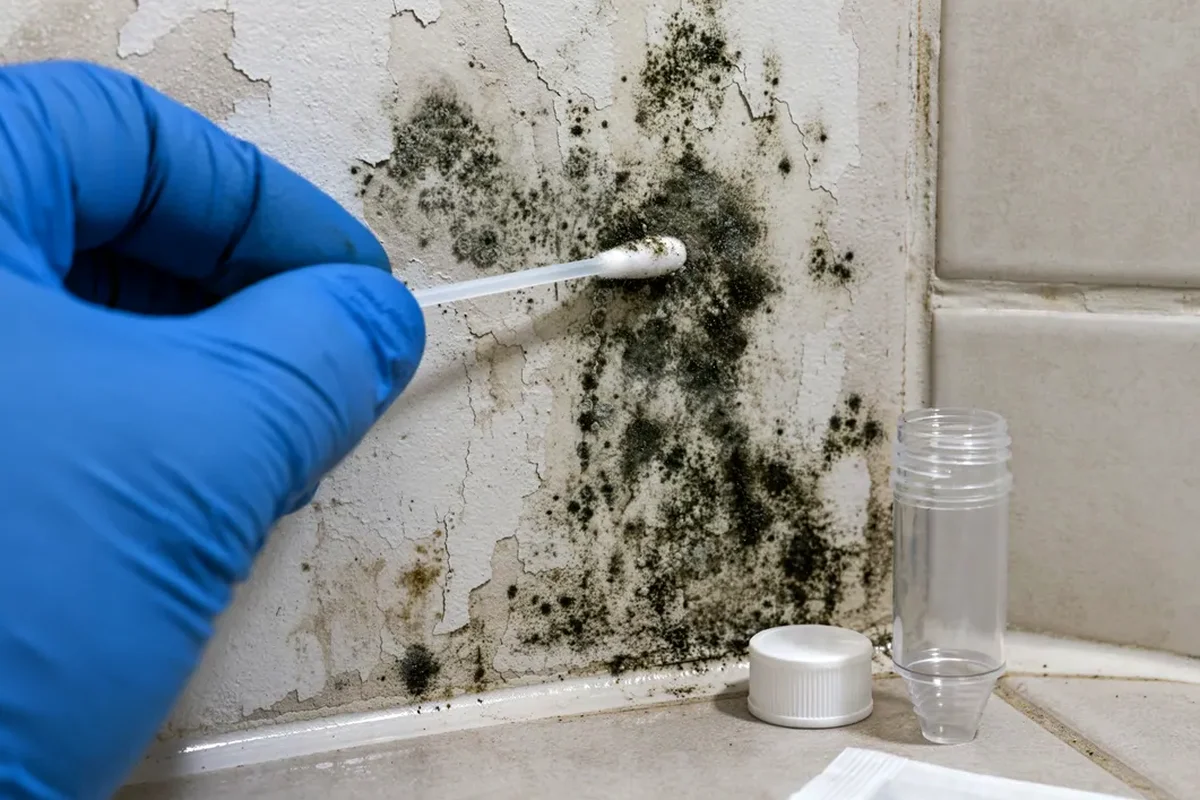
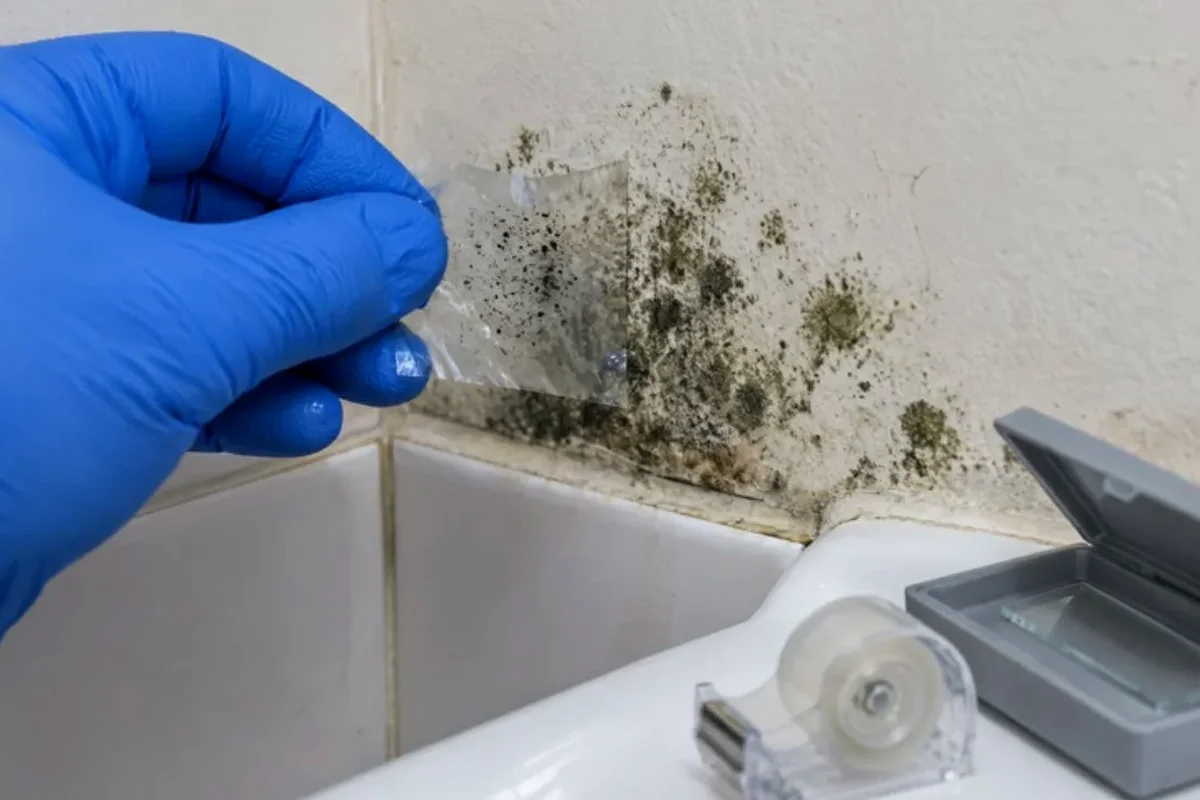
Testing is sampling, not cleanup. An assessor collects air samples, surface swabs or tape lifts, or bulk material, and a lab reports what was found. Texas regulates the labs too: TDLR lists Mold Analysis Laboratory among its credentials, so ask which lab will analyze your samples.
When testing makes sense
EPA says that in most cases, if visible mold growth is present, sampling is unnecessary, because you should be cleaning it up and fixing the moisture either way. Testing is more helpful when you smell mold but cannot find it, after a remediation to confirm the work succeeded, or when a buyer, landlord or insurer wants documentation. Results show a single moment in time and can vary with weather, door traffic and how the air handler was running, so they work best alongside an inspection.
Air and surface sampling
- Air samples compare indoor spore counts with an outdoor reference sample.
- Surface samples confirm whether a stain or fuzzy patch is actually mold.
- Bulk samples test pieces of material such as drywall or insulation.
What it costs
National figures list about $100 to $300 per air test and $50 to $200 per surface test. These are published estimates, not quotes, and no Fort Worth price for sampling alone. A full inspection that includes sampling runs higher, as covered on the mold inspection page.
Reading the results
A lab report lists the mold types found and the counts for each sample. On its own, a number means little: the assessor compares indoor samples with an outdoor sample taken the same day and with what the inspection found. Ask for the report in writing, along with the sampling locations, so you can share it with a remediation company, a landlord or an insurer. In a hot, humid stretch outdoor spore counts can be high, which is one more reason to rely on the assessor rather than a raw number.
Texas assessors must also hand you the Consumer Mold Information Sheet before any mold-related activity begins, so expect that paperwork at the start of the visit.
Keep testing and cleanup separate
Under TDLR rules, a person is generally not allowed to do both assessment and remediation on the same project, and the post-remediation assessment must come from a consultant who did not write the original protocol. That is why the company that samples your home should not be the one that removes the mold. If sampling confirms a problem, see mold removal and remediation, and for the final check see post-remediation testing.
Before booking, look up the company on the TDLR Verify a License search. Mold Removal Fort Worth is a free referral service, not a mold company.
Mold Testing questions from Fort Worth homeowners
How much does mold testing cost?
Do I need testing if I can see mold?
Can a home test kit replace a professional?
Who should do the testing in Texas?
Related mold services in Fort Worth
Helpful guides
Mold Testing in nearby cities and towns
Tarrant County
Dallas County
Denton County
Johnson County
Parker County
Ellis County
Wise County
Hood County
Sources
Last updated: