No health-based pass or fail number exists for mold in a home, so a lab report is read by comparing rooms, comparing indoors with outdoors and tying the results to what the assessor saw. If you have health concerns, talk with your doctor. Call the number on this page to be connected with a local mold company in Grand Prairie.
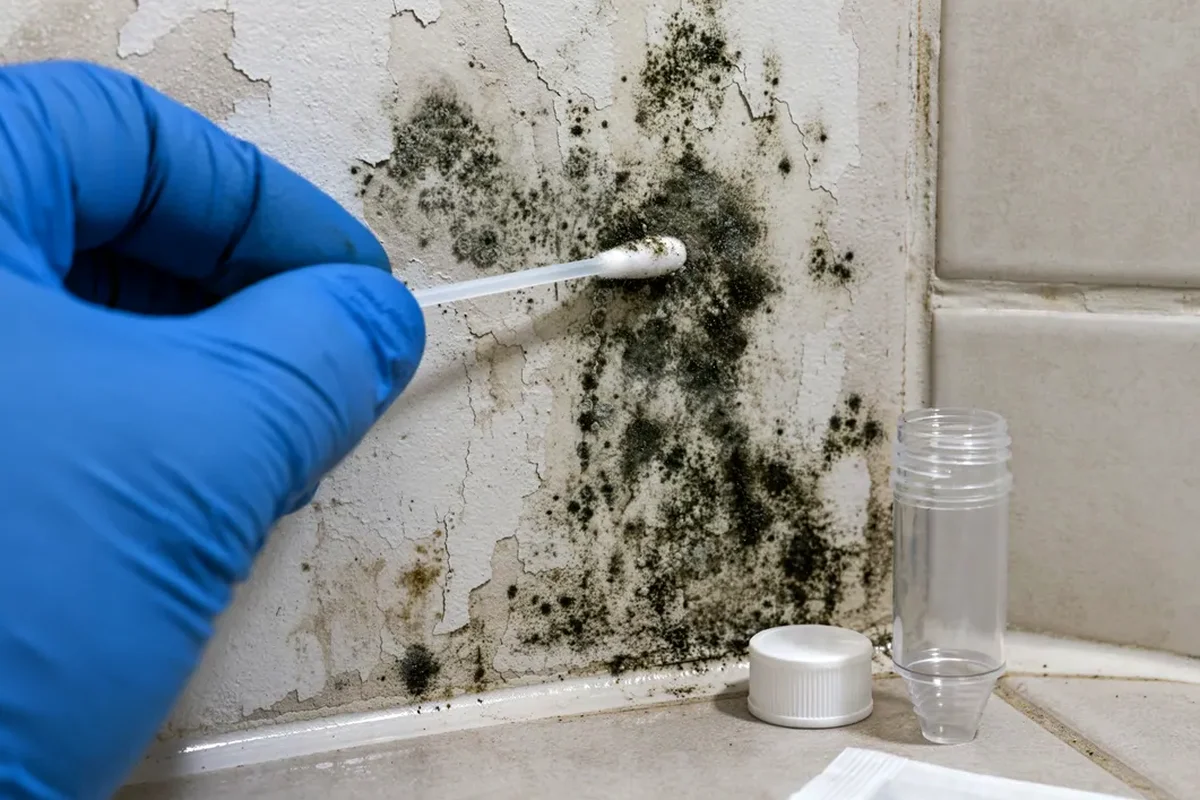
Seen mold or only smelled it?
If you can see mold, the lab confirms what you already know, and money is usually better spent on the repair. If you only smell it, sampling can tell you whether spore levels in Grand Prairie rooms differ from outdoors, which helps decide where to look next.
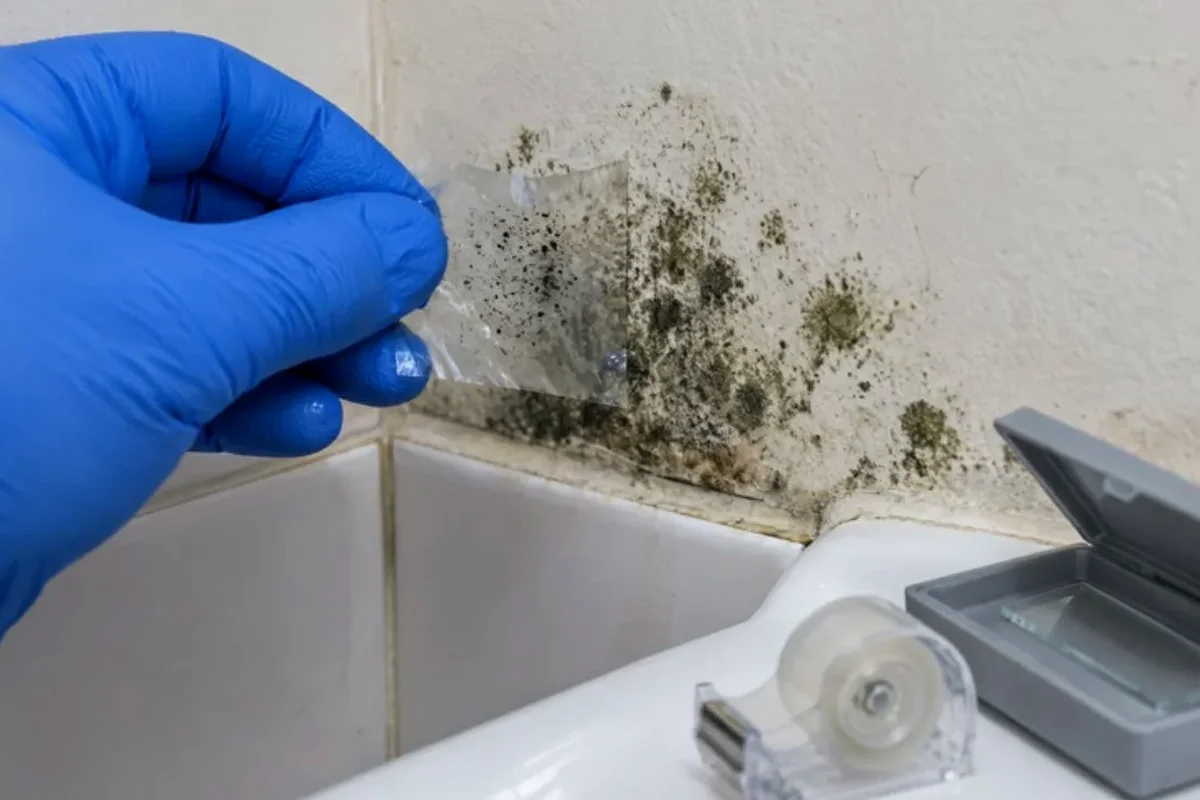
Bulk and cavity sampling
Sometimes a piece of material, such as a patch of drywall or insulation, goes to the lab directly. Wall-cavity air can also be sampled through a small opening. Both methods reach places that a room sample would miss, which matters most after hidden leaks behind finishes.
Homes near the lake shore or creek bottoms here deal with higher humidity from open water, and assessors in these areas take an outdoor reading on the day since baseline levels run differently.
Who handles what in Grand Prairie
Texas requires a mold license from the Texas Department of Licensing and Regulation (TDLR) to assess or remediate mold for pay once the affected area reaches 25 contiguous square feet. Ask for the license number and run it through TDLR's online search before work begins.
Once a regulated project passes clearance, Texas law calls for a Certificate of Mold Damage Remediation, a document worth keeping with your home and insurance records.
If the job grows into replacing drywall, cabinets or framing, ask whether the rebuild needs a permit from Grand Prairie's Building Inspections Division.
If storm runoff or creek water got inside, FEMA's flood map service and your insurer can tell you how the address is zoned.
Nearby, the same kind of help is available in Arlington, Duncanville and Euless.
Cost drivers at a glance
- Number of air, tape and bulk samples
- Lab turnaround speed
- Size and layout of the home
- Written report and protocol
- Travel around Dallas County
Each is a line you can ask about, and a good company will explain how it affects the final total before work begins.
Texas paperwork
For work of 25 contiguous square feet or more, expect a protocol from the assessor and a work plan from a different remediator, with TDLR's consumer information sheet shared with you. Smaller jobs may skip all that, but a written summary of findings is still reasonable to request.
Common mistakes
- Cleaning or bleaching right before sampling
- Testing without checking for a leak
- Relying on one air sample
- Ignoring the outdoor comparison
- Hiring the same firm to test and then remove
Doing the basics in the right order keeps a lab bill from going to waste and keeps the project on track.
Around Grand Prairie
Calls come in from across Grand Prairie, including around Downtown Grand Prairie, Dalworth Park, Lynn Creek Park.
Joe Pool Lake, Mountain Creek Lake and the West Fork Trinity River floodplain are all large floodplain areas within or beside Grand Prairie.
Mold Testing questions in Grand Prairie
Who takes the samples in Texas?
What does a mold test cost?
What should I do before a test?
What does a written report from an assessor include?
More mold services in Grand Prairie
Mold Testing nearby
Helpful guides
Sources
Last updated: