Picking a mold company begins with confirming that it holds a TDLR mold license for the job, then comparing written scopes. Homeowners in North Richland Hills often do best by fixing the moisture first and having the result verified afterward. Call the number on this page to be connected with a local mold company in North Richland Hills.
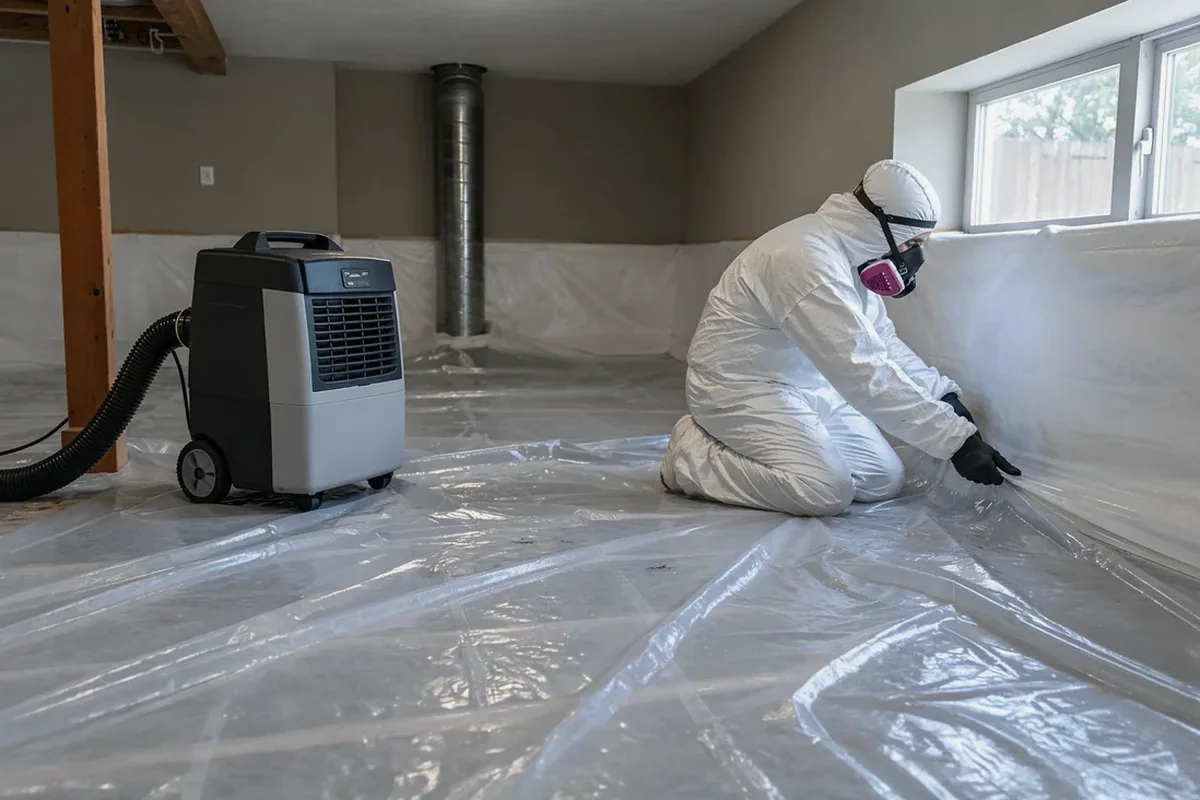
Mold services in North Richland Hills
One call instead of guesswork
Plenty of people do not know whether they need an assessor, a remediator or an AC specialist, and trial and error wastes time while the damp spreads. Dial the number on this page, say what you have noticed, and a local mold company that suits the situation picks up. The site itself only makes the introduction.
Brick, slab and shifting clay
Most homes here are brick veneer on a concrete slab. The clay soil swells and shrinks with the weather, and foundations move with it, which can open gaps and strain plumbing under the slab or inside walls. Water also travels under flooring, so a small stain can follow a much longer path.
Who is behind this page
No mold crews work for this site. Local companies hoping for new customers in Tarrant County pay for calls, and the people calling get connected to them. Because of that arrangement, comparing what you hear and choosing whether to hire anyone is up to you, which is how it should work.
Where did the water come from?
If a company removes mold without asking about the water behind it, the job is only half finished. You want to hear about repairing the leak, drying the structure and looking at the AC. EPA says to fix the moisture first, since cleaning alone just restarts the regrowth timer. Ask it directly on the first call.
After the work is done
Once a cleanup is finished, ask for a clearance check by an independent assessor before the walls close and the rebuild starts. It covers a visual look, moisture readings and optional sampling. Then keep the AC working, repair leaks quickly and watch humidity, since mold returns wherever moisture does.
Before work starts in North Richland Hills
Mold work in Texas is regulated by TDLR. Projects under 25 contiguous square feet can be handled without a license, but anything larger calls for a company holding a TDLR mold credential, which you can verify online.
Under TDLR rules, the assessor writes the remediation protocol, the remediator follows it with its own work plan, and a separate assessor handles the post-remediation check.
Rebuild work after the mold comes out, such as new drywall or framing, may need a permit; North Richland Hills' permits and inspections office is the office for North Richland Hills addresses.
For flood zone questions after a heavy North Texas storm, FEMA's flood maps and your insurance agent can confirm the mapped zone for an address.
Nearby, the same kind of help is available in Hurst, Keller and Colleyville.
Common questions in North Richland Hills
Does a musty smell mean there is mold?
How do I check that a mold company is qualified?
Can mold grow in my AC or ducts?
What humidity level should I aim for?
Nearby cities and towns
Sources
Last updated: