When a Texas project passes, the remediator and assessor complete paperwork that leads to a Certificate of Mold Damage Remediation, which is worth keeping with your insurance and sale records. Call the number on this page to be connected with a local mold company in Mansfield.
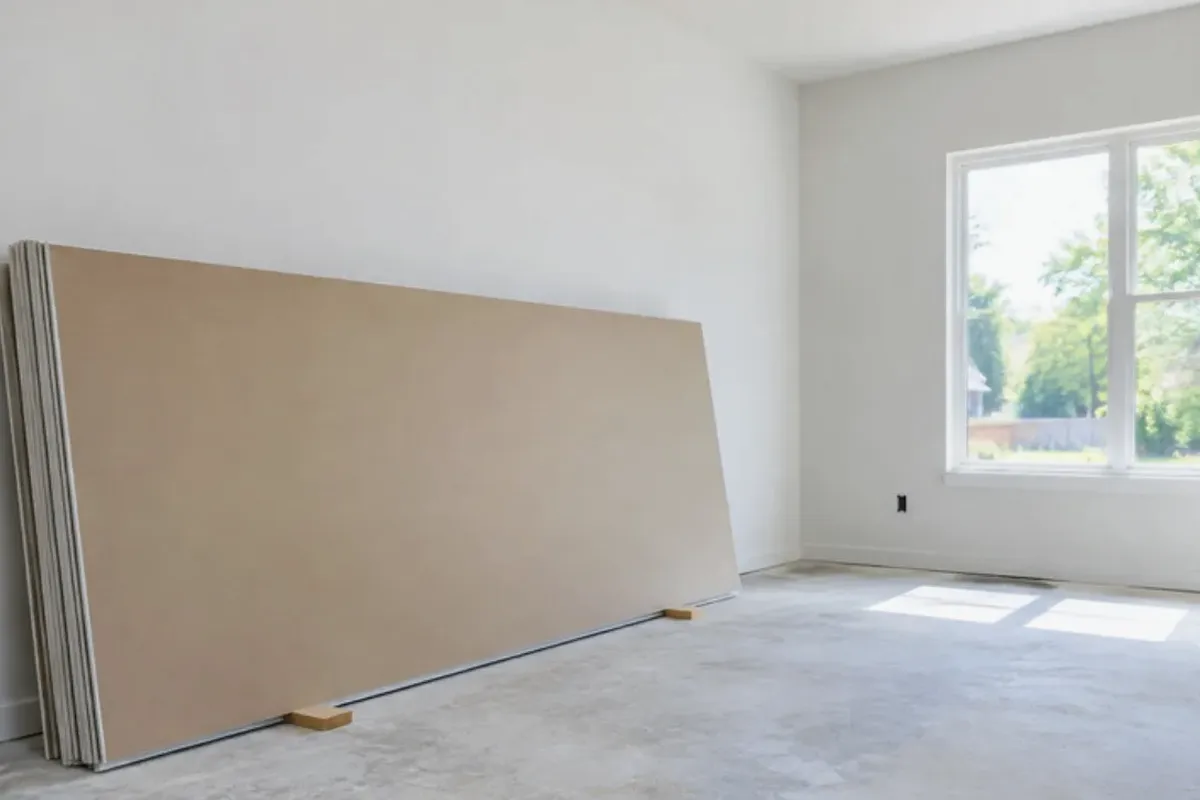
Where it sits in the sequence
- An assessor writes the protocol.
- A different company follows it with a work plan.
- Containment comes down after cleaning and drying.
- The assessor returns for clearance.
- Rebuilding begins only on a pass.
Clearance is step four, and the later steps depend entirely on its result.
Why dust matters here
Mold work stirs up fine dust, and leftover dust is one of the things a final review looks for. HEPA vacuuming and damp wiping usually handle it well. A surface that still feels gritty or looks dusty can fail even when nothing appears to be growing.
Because many Mansfield homes date to the 2000s, a builder or warranty repair may have caused the water; documenting the passed clearance helps with those records.
Local details for Mansfield
Mold work in Texas is regulated by TDLR. Projects under 25 contiguous square feet can be handled without a license, but anything larger calls for a company holding a TDLR mold credential, which you can verify online.
Once a regulated project passes clearance, Texas law calls for a Certificate of Mold Damage Remediation, a document worth keeping with your home and insurance records.
Mansfield's Building Safety Department handles building permits here, so that's the place to check before walls, cabinets or flooring go back in.
If storm runoff or creek water got inside, FEMA's flood map service and your insurer can tell you how the address is zoned.
Nearby, the same kind of help is available in Kennedale, Midlothian and Cedar Hill.
The cost of skipping it
Reopening walls because nobody confirmed the work is usually more expensive than the check itself. Add the risk of a stalled sale or a disputed claim and the final assessment looks fairly modest by comparison. Consider it part of the project itself, not an optional extra.
What the visit looks like
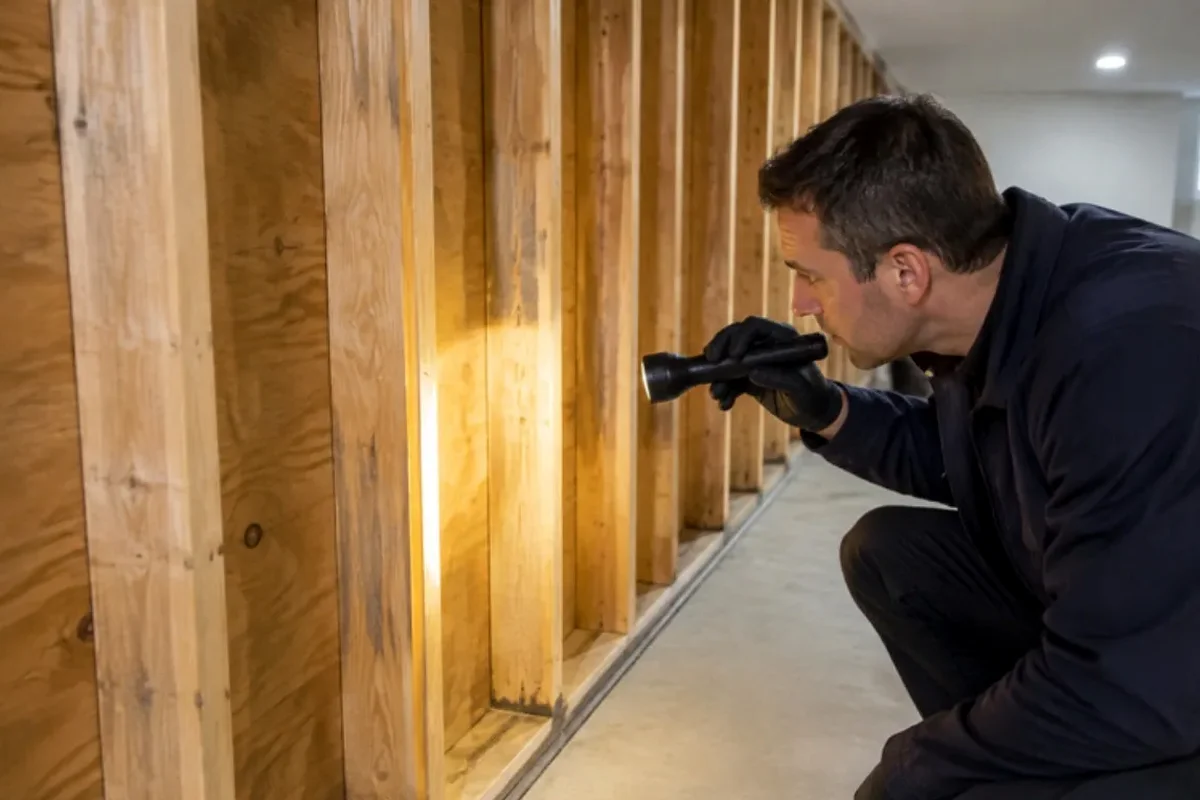
Expect the assessor to review the protocol, walk the work area, photograph conditions, take moisture readings and collect samples. A typical work area takes a couple of hours. They may ask the remediator questions, but the final decision on whether to pass remains theirs alone.
Think of it as the last step
The sequence is find the water, write the protocol, remediate with a separate company, then clear the project. Clearance closes that loop. Skipping any piece leaves the house without proof that the original problem was resolved. Call to talk through where your project stands.
Post-Remediation Clearance Testing questions in Mansfield
What happens if clearance fails?
What does a clearance visit include?
How long until I get clearance results in Mansfield?
What paperwork should I keep after clearance?
More mold services in Mansfield
Post-Remediation Clearance Testing nearby
Helpful guides
Sources
Last updated: