Clearance matters most for jobs of 25 contiguous square feet or more in Texas, where paperwork is required, but smaller jobs benefit from a final look too. A written result helps with buyers and insurers. Call the number on this page to be connected with a local mold company in Venus.
Timing the check
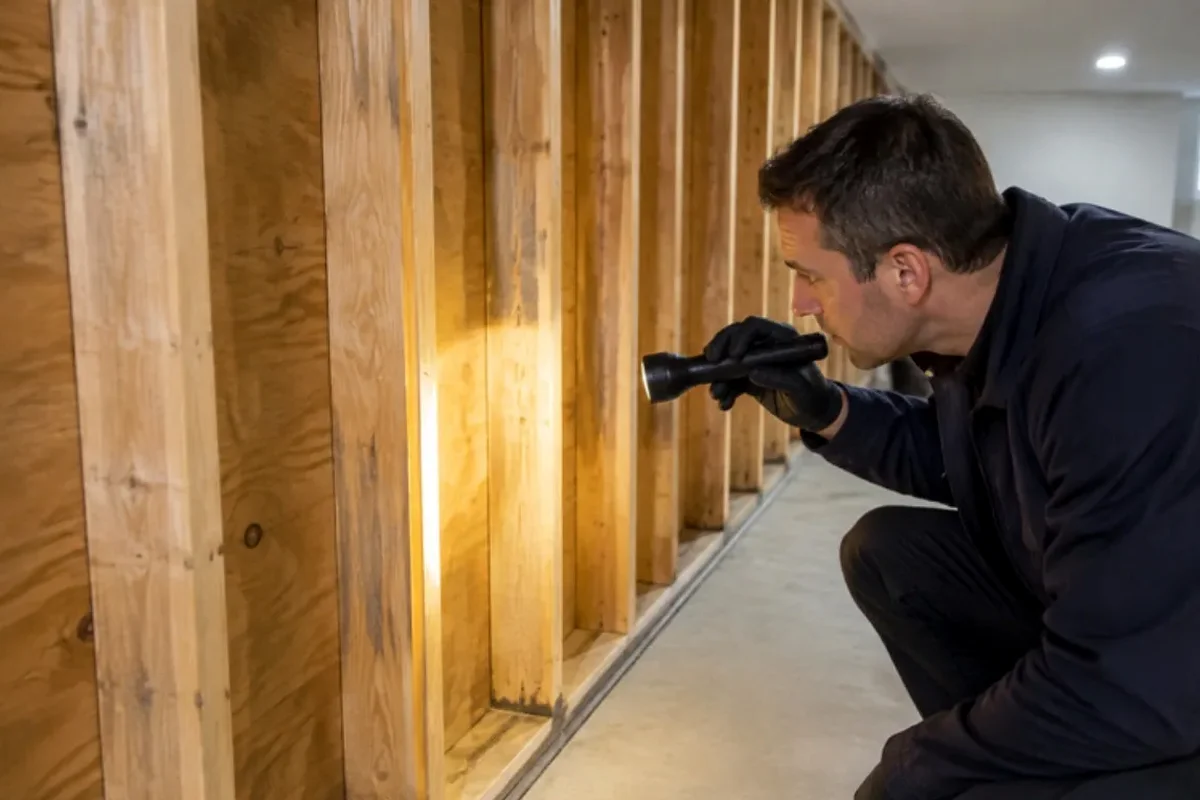
Clearance happens once removal, HEPA vacuuming and drying are done but before the room is rebuilt. Scheduling it a day or two ahead with the assessor avoids idle days. Keep the containment up until the assessor says it can come down. Do not let a crew strip it early.
Surface samples
Where the written protocol calls for it, tape lifts or swabs from cleaned framing, subfloor or ducts give the lab something specific to identify. Combined with the air results, these samples back up what the assessor saw, particularly in cavities that are hard to inspect by eye alone.
Out on acreage, the outdoor comparison sample should come from a spot away from hay, livestock and fields so it reflects ordinary background air.
Insurance and cost sharing
Whether an insurer or a landlord pays for clearance depends on the policy or lease, which only you can read. Ask early, since claims often require the passed report. Keep invoices and the final documents together in a single folder. Do not assume anything is covered.
Useful local contacts for Venus
Before signing, look up the company's TDLR mold license; Texas requires one for assessment or remediation projects of 25 contiguous square feet or more.
Under TDLR rules, the assessor writes the remediation protocol, the remediator follows it with its own work plan, and a separate assessor handles the post-remediation check.
Remediation itself is cleanup, but putting the room back together can be permitted work; ask the contractor whether Venus City Hall needs to be involved.
Water that came in from outside raises insurance questions; FEMA's flood map search shows whether the property sits in a mapped flood zone.
Nearby, the same kind of help is available in Midlothian, Alvarado and Mansfield.
Texas paperwork after a pass
For projects of 25 contiguous square feet or more, a passed clearance is what supports the Certificate of Mold Damage Remediation. The remediator and the assessor handle the forms. You receive the certificate and should file it safely with your property documents and insurance records.
If clearance fails
A fail is information, not a disaster. The assessor identifies which spots or readings fell short, and the remediator redoes those areas. Then the assessor returns. Repeat until it finally passes. Common causes are leftover dust, damp framing or a moisture source that was not fully corrected.
Post-Remediation Clearance Testing questions in Venus
What is post-remediation clearance testing?
Who performs clearance in Texas?
Do I need clearance for a small cleanup?
Is the assessor the same one who wrote the protocol?
More mold services in Venus
Post-Remediation Clearance Testing nearby
Helpful guides
Sources
Last updated: