A homeowner can usually clean a patch under about 10 square feet, according to EPA. After a flood, mold in walls, under floors or across rooms is generally beyond that. Call the number on this page to be connected with a local mold company in Cedar Hill.
Look in the places you do not see
Behind the refrigerator, inside the bottom of cabinets, under stair carpet, in the corner of the garage and in the attic knee wall are where storm moisture hides. Pull things back and sniff. A flashlight and a few minutes often settle the question.
Slab homes and foundation gaps
Most homes here sit on concrete slabs over clay soil that swells and shrinks. Gaps open at the slab edge and around utility penetrations, and surface water finds them. The result is damp carpet at exterior walls and moisture wicking up behind the baseboards and trim.
Near the shore, a high water table and saturated soil keep slabs damp long after a storm. Moisture readings help separate leftover ground water from a new leak.
Time is a cost
The longer wet materials sit, the more of them become removal items. Quick drying can save drywall and framing, while a week of dampness often means cutting walls open. Acting early is usually the least expensive step in the whole process. Ask what is saved by drying fast.
The usual order of work
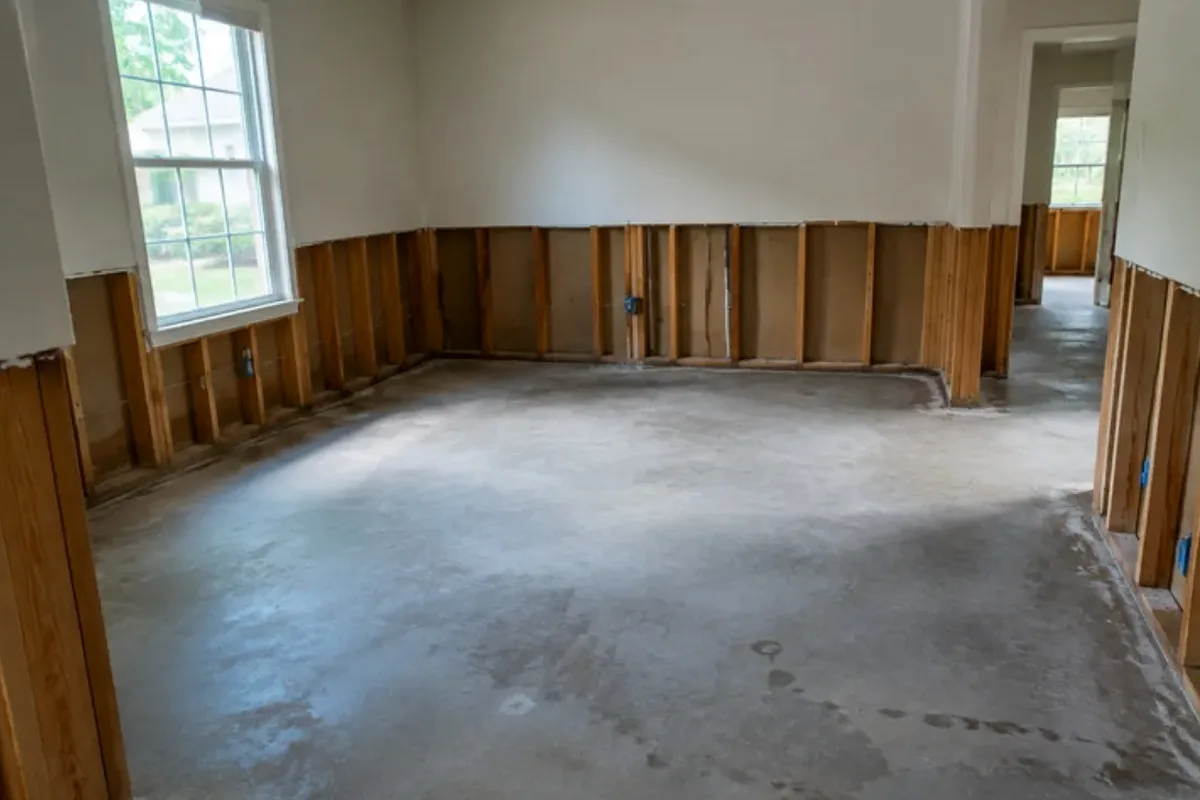
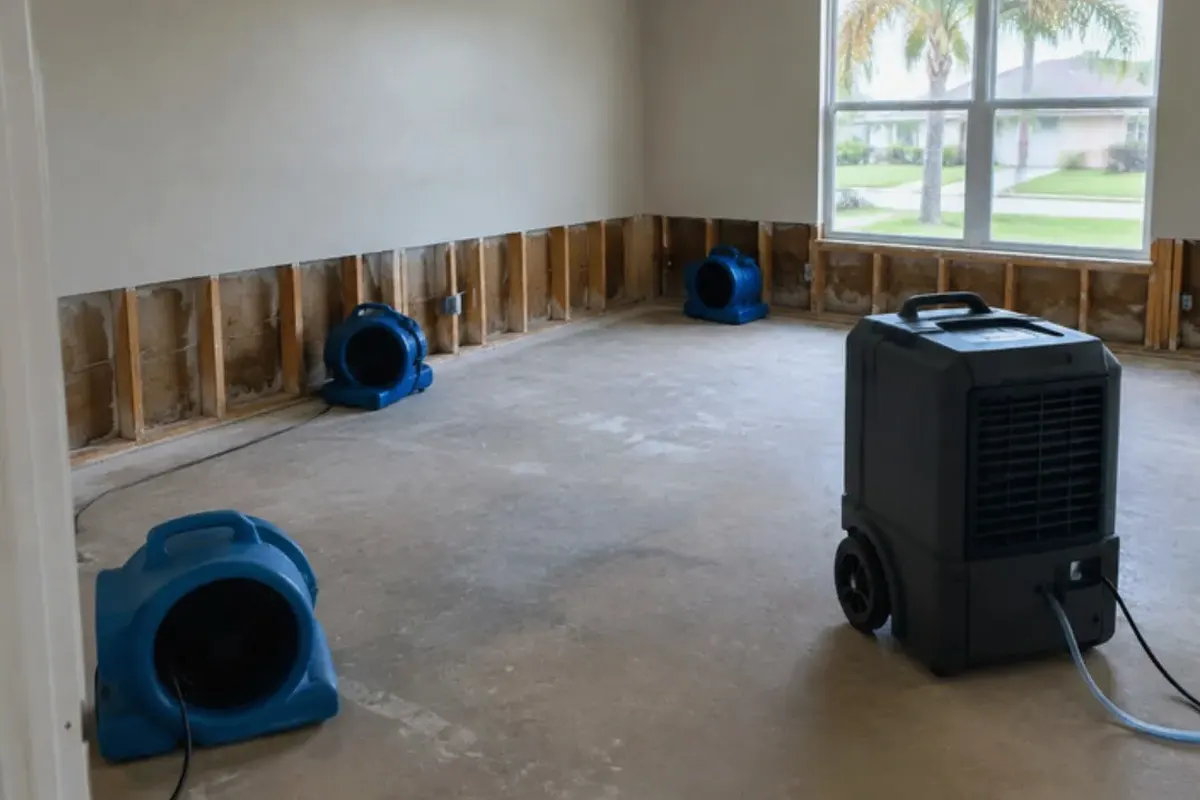
Standing water is removed, then ruined carpet, pad and wet drywall are cut out and bagged. Remaining surfaces are cleaned and vacuumed with HEPA filters, and fans and dehumidifiers dry the structure. Readings confirm dryness before anyone starts rebuilding. Moisture readings confirm the result at the end.
Watch for returning odors
Check the house again two or three weeks after the work. A smell that returns, a new stain or damp carpet near an exterior wall points to a missed source. Reach out for a recheck early, before the problem spreads again. Walk through the house after each rain.
Before work starts in Cedar Hill
Anyone hired to assess or remediate 25 contiguous square feet or more of mold in Texas needs a TDLR mold license, and the number can be checked on the agency's license search.
Under TDLR rules, the assessor writes the remediation protocol, the remediator follows it with its own work plan, and a separate assessor handles the post-remediation check.
If the job grows into replacing drywall, cabinets or framing, ask whether the rebuild needs a permit from Cedar Hill's Building Inspections office.
If storm runoff or creek water got inside, FEMA's flood map service and your insurer can tell you how the address is zoned.
Nearby, the same kind of help is available in Duncanville, Midlothian and Mansfield.
More about Cedar Hill
Calls come in from across Cedar Hill, including around Cedar Hill State Park, Cedar Mountain Preserve, Dogwood Canyon Audubon Center.
Joe Pool Lake, a reservoir fed by Walnut Creek and Mountain Creek with 64 miles of shoreline, lies partly within Cedar Hill.
Storm & Flood Mold Removal questions in Cedar Hill
Who removes mold after storm damage?
Does homeowners insurance cover flood mold?
Is sewage backup handled the same way?
Does living near a lake change what I should do?
More mold services in Cedar Hill
Storm & Flood Mold Removal nearby
Helpful guides
Sources
Last updated: