Rain driven under a door or through a hail-damaged roof can leave hidden damp in walls and attics even when floors look fine. A moisture meter shows what the eye cannot. Call the number on this page to be connected with a local mold company in Arlington.
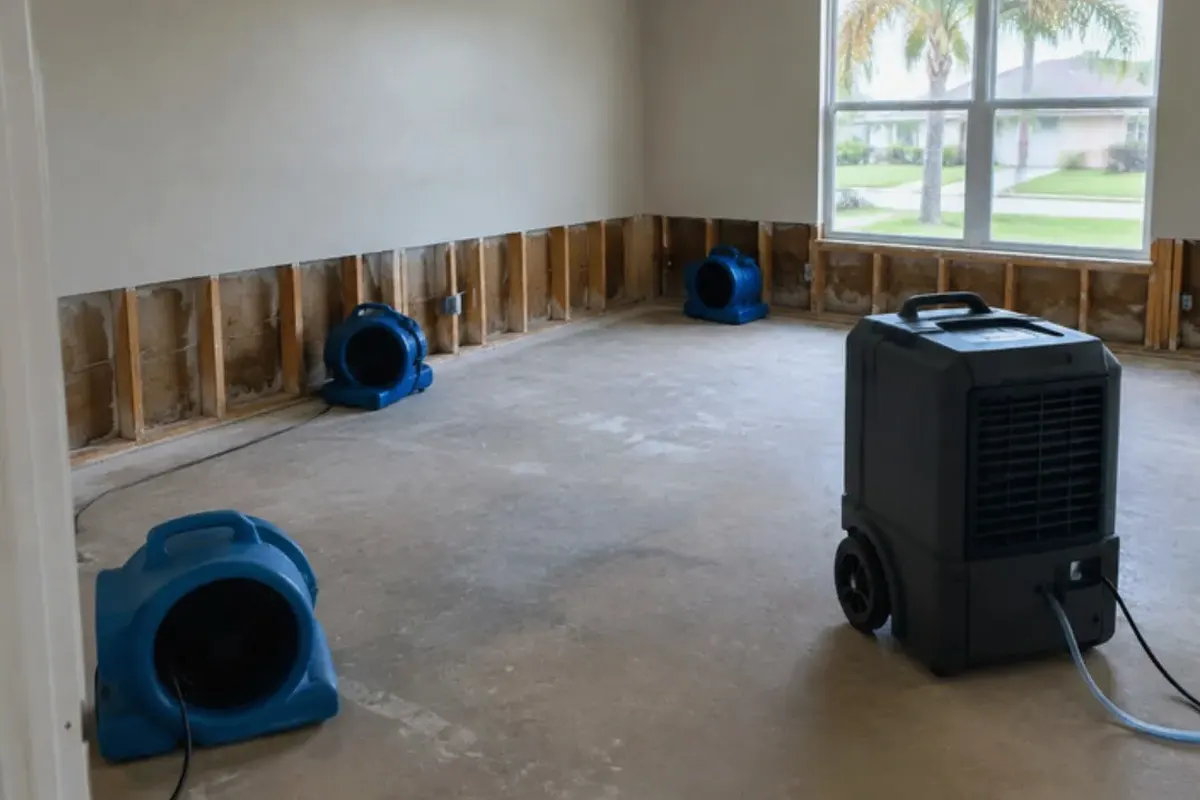
Signs storm water left mold behind
Watch for a musty or earthy smell that lingers, baseboards that swell or stain, drywall that feels soft, wallpaper or paint that bubbles, and spotting on ceilings below the roof. When these appear days after the rain stopped, the structure is still holding water.
Hail and the attic
A hailstorm can bruise shingles, dent vents and crack flashing across a whole roof at once. Water that gets in soaks the decking and insulation, then drips onto ceilings below. Attic mold from this kind of damage often appears several weeks after the storm has passed.
Lakeside lots in Arlington often sit low with sloped yards toward the water, so runoff and rising creeks can reach garages and entries.
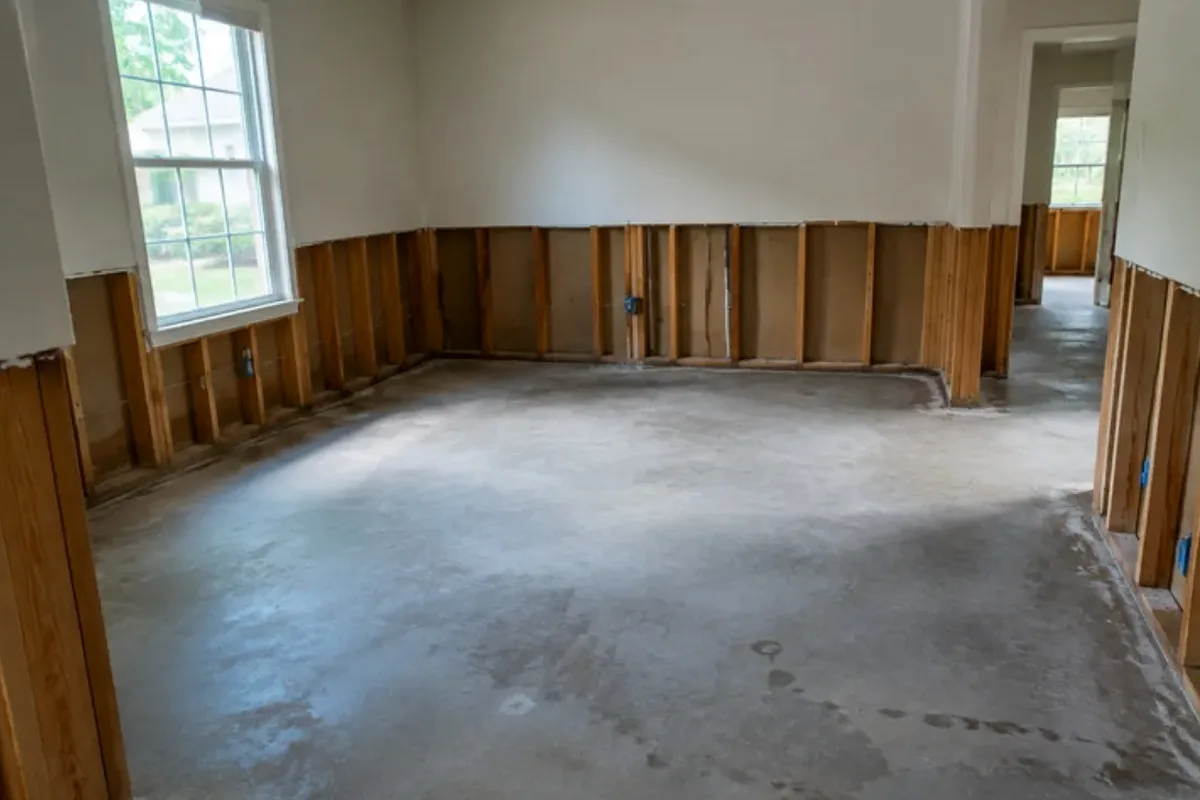
Insurance and flood coverage
Homeowner policies often treat wind and rain damage differently from rising water, and flood coverage is usually a separate policy. Mold wording varies. Photograph everything, save receipts and call your insurer early. A company can describe the damage, though it cannot decide coverage. Ask what the policy says about mold.
After the work is done
On larger projects, a separate assessor takes clearance samples after the cleanup. If they pass, Texas provides for a Certificate of Mold Damage Remediation. You should also receive a description of the work and drying records. Store them with your policy and closing papers. Ask for copies.
Local details for Arlington
Mold work in Texas is regulated by TDLR. Projects under 25 contiguous square feet can be handled without a license, but anything larger calls for a company holding a TDLR mold credential, which you can verify online.
Once a regulated project passes clearance, Texas law calls for a Certificate of Mold Damage Remediation, a document worth keeping with your home and insurance records.
Arlington's Planning & Development Services handles building permits here, so that's the place to check before walls, cabinets or flooring go back in.
If storm runoff or creek water got inside, FEMA's flood map service and your insurer can tell you how the address is zoned.
Nearby, the same kind of help is available in Kennedale, Grand Prairie and Euless.
Know your limits
Cleaning a small patch on hard, nonporous surfaces is something many homeowners can handle. Moldy drywall, carpet, insulation or anything inside a wall is different. Wear a mask and gloves, avoid dry sweeping, and do not mix cleaning chemicals. If you have health concerns, talk with your doctor.
Arlington at a glance
Calls come in from across Arlington, including around Downtown Arlington, East Arlington, Entertainment District.
The city directs residents to FEMA flood maps and its own online mapping tool to check a property's flood hazard zone.
Storm & Flood Mold Removal questions in Arlington
How soon can mold grow after a flood in Arlington?
Is mold from flood water different?
Does bleach kill mold after a flood?
How long does flood mold removal take?
More mold services in Arlington
Storm & Flood Mold Removal nearby
Helpful guides
Sources
Last updated: