Dark growth in a North Texas house usually points to ongoing moisture, such as a clogged AC drain line, a roof leak or a damp wall cavity. Removal is scoped by size and location, not by color. Call the number on this page to be connected with a local mold company in Rhome.
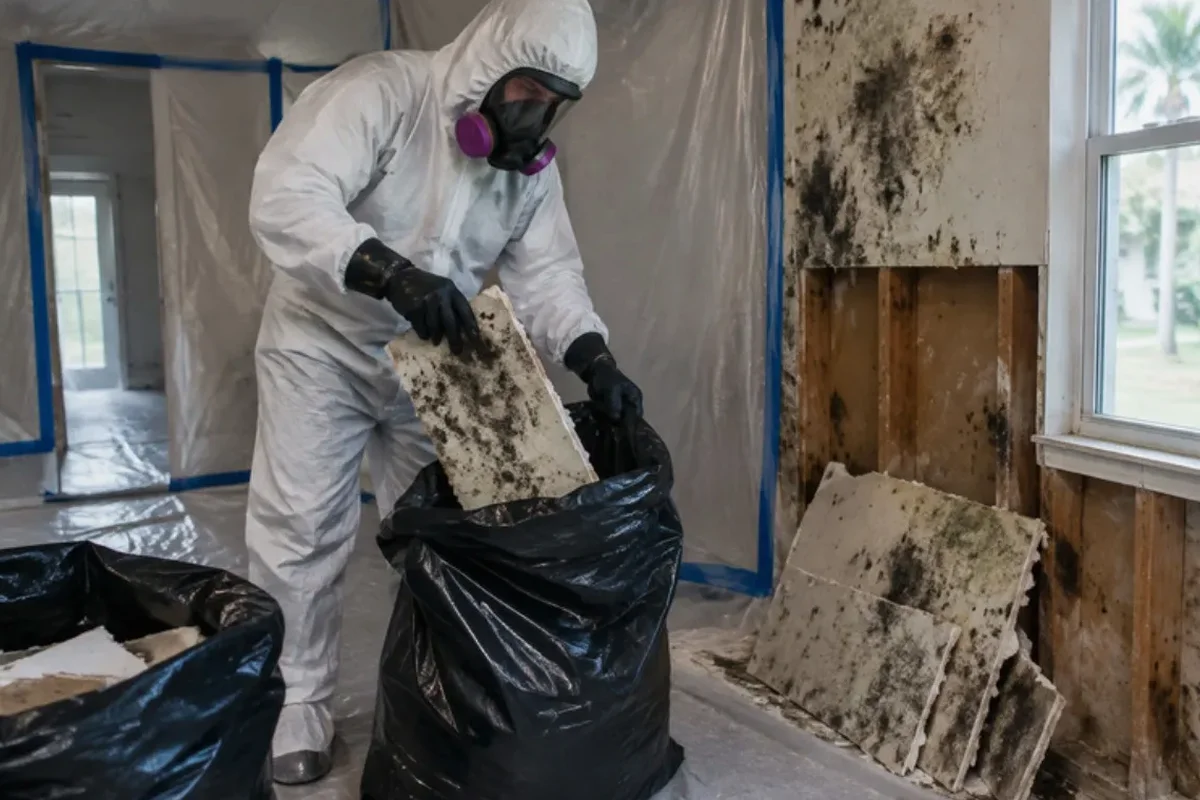
What You Can See and What You Cannot
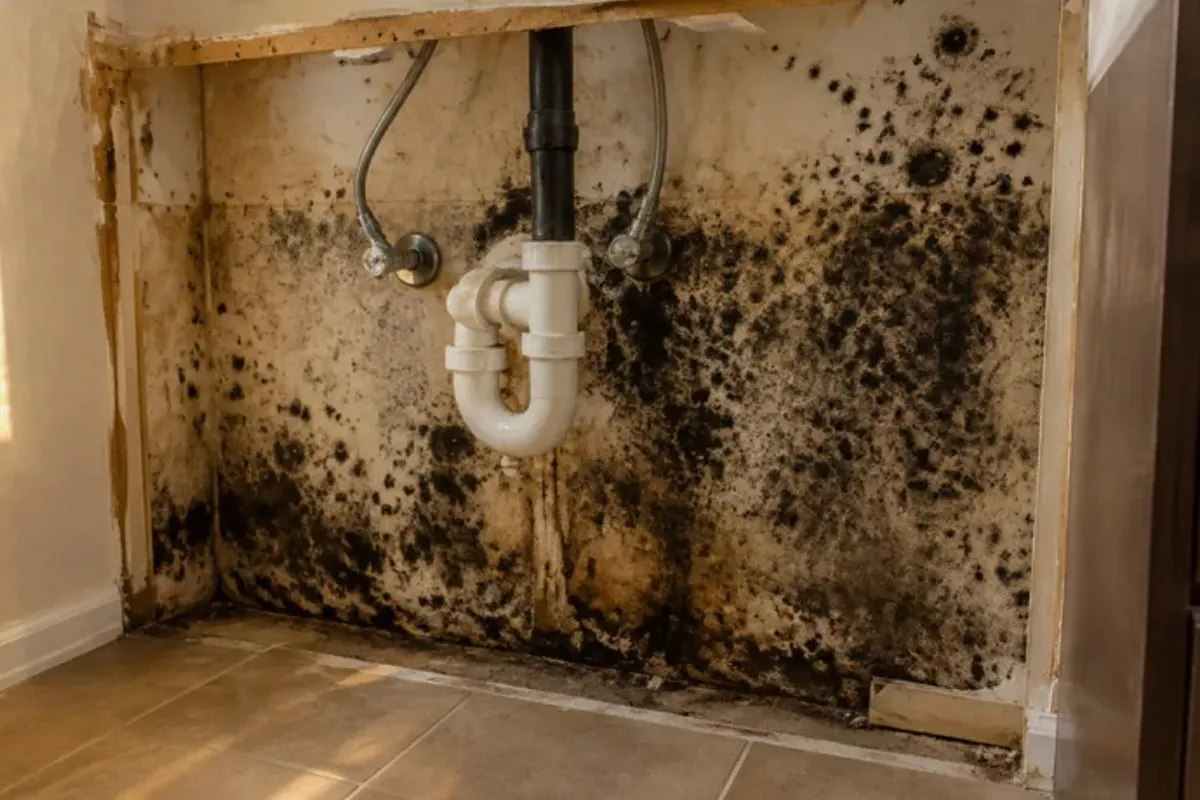
The dark patch on a ceiling or closet wall is often just the part of the problem that reached the surface. Growth can continue behind drywall or under flooring. That is why a company looks at moisture readings and the surrounding area, not only the stain.
Older Piers, Newer Slabs
Pier-and-beam floors let crawl space humidity creep upward, while slab homes trap moisture under flooring. The building method changes where dark mold appears, but the cause is the same: water that sits too long where nothing dries it. Either way, the real fix starts with finding the water.
Larger rural lots mean older outbuildings, well houses and barns, and sometimes homes with aging plumbing far from city services. Dark growth in those buildings often goes unnoticed for a long time.
Why Quotes Differ
- Square footage affected
- Whether drywall or flooring must come out
- Containment and air filtration needed
- How hard the area is to reach
Two companies may price the same house differently because they scope these points differently. Ask each company to explain how it scoped the work, line by line.
What the First Visit Looks Like
A company usually starts by walking the home, noting the dark areas and measuring moisture in nearby walls and floors. Expect questions about past leaks, roof or AC problems and when you first noticed the growth. Photos of the damage help. Have those details ready when you call.
Simple Habits That Help
A few routine habits go a long way toward keeping dark mold from taking hold in the first place.
- Run bathroom fans during and after showers
- Clear the AC condensate line each season
- Fix drips under sinks right away
- Keep furniture a few inches from exterior walls
Local details for Rhome
TDLR issues separate mold assessment and mold remediation credentials. A two-minute lookup on TDLR's search confirms the company holds the right one for the job you're hiring it to do.
Once a regulated project passes clearance, Texas law calls for a Certificate of Mold Damage Remediation, a document worth keeping with your home and insurance records.
Rhome Permitting Department handles building permits here, so that's the place to check before walls, cabinets or flooring go back in.
If storm runoff or creek water got inside, FEMA's flood map service and your insurer can tell you how the address is zoned.
Calls from Rhome are often matched with companies that also cover Azle, Boyd and Justin.
Black Mold Removal questions in Rhome
Is black mold more dangerous than other mold?
Can the same company test and remove the mold?
How do I know the mold is really gone?
Does insurance pay for black mold removal?
More mold services in Rhome
Black Mold Removal nearby
Helpful guides
Sources
Last updated: