Fans and a dehumidifier help right away, but they cannot reach the inside of a soaked wall. If the water sat for days, plan on a company opening up the area to check. Call the number on this page to be connected with a local mold company in Dallas.
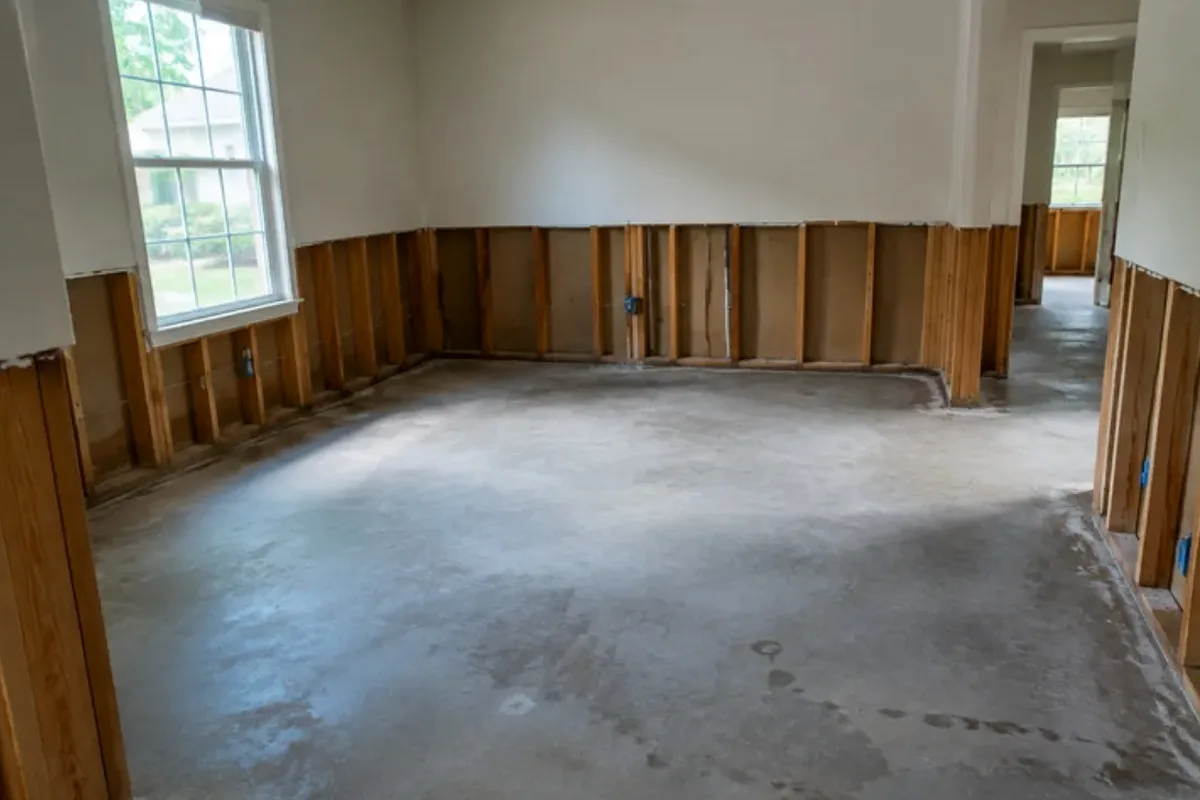
Quick check after the water recedes
- Soft or swollen baseboards
- Carpet that stays damp underfoot
- Stains rising up drywall from the floor
- Fogged or wet insulation in the attic
- Musty smell near doors and vents
Several together suggest more than surface damp, so do not wait for the smell to fade on its own.
Wind-driven rain
When wind pushes rain sideways, it gets behind siding, under window frames and past worn door seals. Brick veneer homes can hold water in the cavity behind the brick. The wall may look dry outside while the inner side stays wet for days. That hidden water is easy to miss.
Much of Dallas's housing dates to the 1970s, and older roofs, window frames and door seals tend to let in more storm water than newer ones.
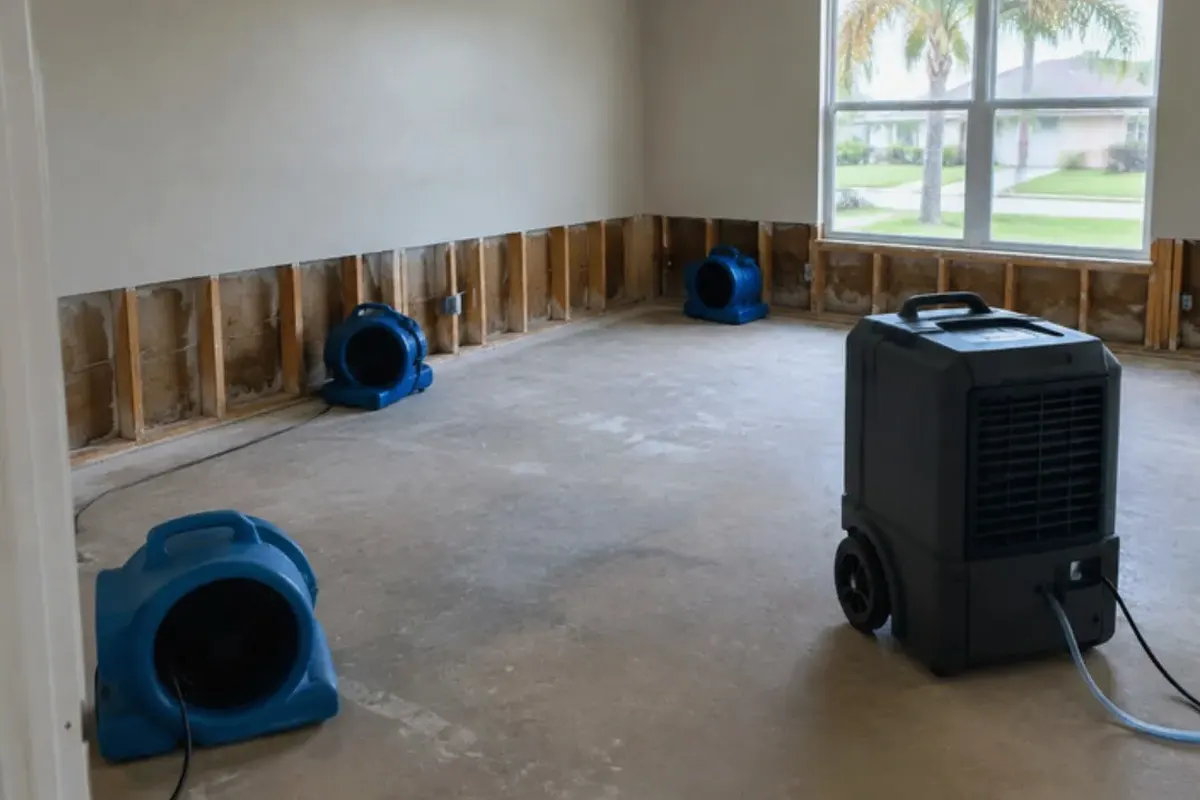
Items that go into an estimate
- Rooms and square feet affected
- Drywall, insulation, carpet, cabinets or trim to remove
- Days of drying equipment
- Containment and air filtration
- Hauling and disposal
Ask the company to name each one in writing, with the amount of each material it expects to remove, so the quotes line up.
Before work starts in Dallas
The state draws its line at 25 contiguous square feet: above that, the assessor and the remediator both need a TDLR mold license. TDLR's online search shows whether a license is current.
Under TDLR rules, the assessor writes the remediation protocol, the remediator follows it with its own work plan, and a separate assessor handles the post-remediation check.
Dallas Building Inspection handles building permits here, so that's the place to check before walls, cabinets or flooring go back in.
For flood zone questions after a heavy North Texas storm, FEMA's flood maps and your insurance agent can confirm the mapped zone for an address.
Companies that take calls here usually also work in Irving, Duncanville and Grand Prairie.
Know where removal ends
Mold companies generally finish at cleaned framing and dry materials. New insulation, drywall, paint, flooring and cabinets are rebuilding tasks. Ask whether the company coordinates with a builder or leaves that to you, so you are not left stuck between the steps. Ask for it early.
Fix the roof and entry points
Mold removal does not last if the next storm brings water through the same opening. Repair hail damage, reseal flashing, correct grading and replace failing seals soon after the cleanup. A dry house after the next rain is the real finish line. Do it quickly.
Around Dallas
Calls come in from across Dallas, including around Oak Cliff, Lakewood, Bishop Arts District.
The Trinity River runs through Dallas and is flanked by earthen levees, and parts of the city sit in its floodplain.
Storm & Flood Mold Removal questions in Dallas
How soon can mold grow after a flood in Dallas?
Who removes mold after storm damage?
Can I just dry the house with fans?
Does Texas require a mold license?
More mold services in Dallas
Storm & Flood Mold Removal nearby
Helpful guides
Sources
Last updated: