A homeowner can usually clean a patch under about 10 square feet, according to EPA. After a flood, mold in walls, under floors or across rooms is generally beyond that. Call the number on this page to be connected with a local mold company in Southlake.
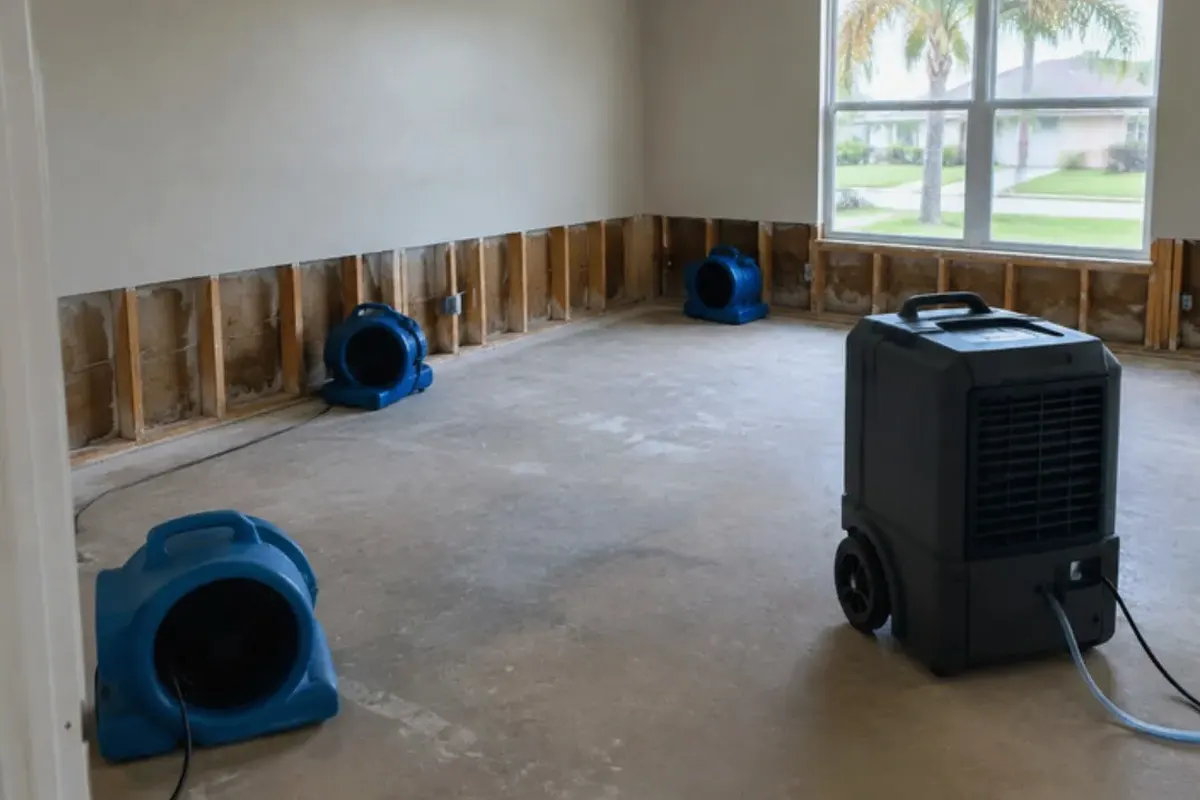
Quick check after the water recedes
- Soft or swollen baseboards
- Carpet that stays damp underfoot
- Stains rising up drywall from the floor
- Fogged or wet insulation in the attic
- Musty smell near doors and vents
Several together suggest more than surface damp, so do not wait for the smell to fade on its own.
Hail and the attic
A hailstorm can bruise shingles, dent vents and crack flashing across a whole roof at once. Water that gets in soaks the decking and insulation, then drips onto ceilings below. Attic mold from this kind of damage often appears several weeks after the storm has passed.
A lot of Southlake's homes went up in the 1990s, with tight construction that holds moisture in after a storm. Run dehumidifiers and open the house when the weather allows.
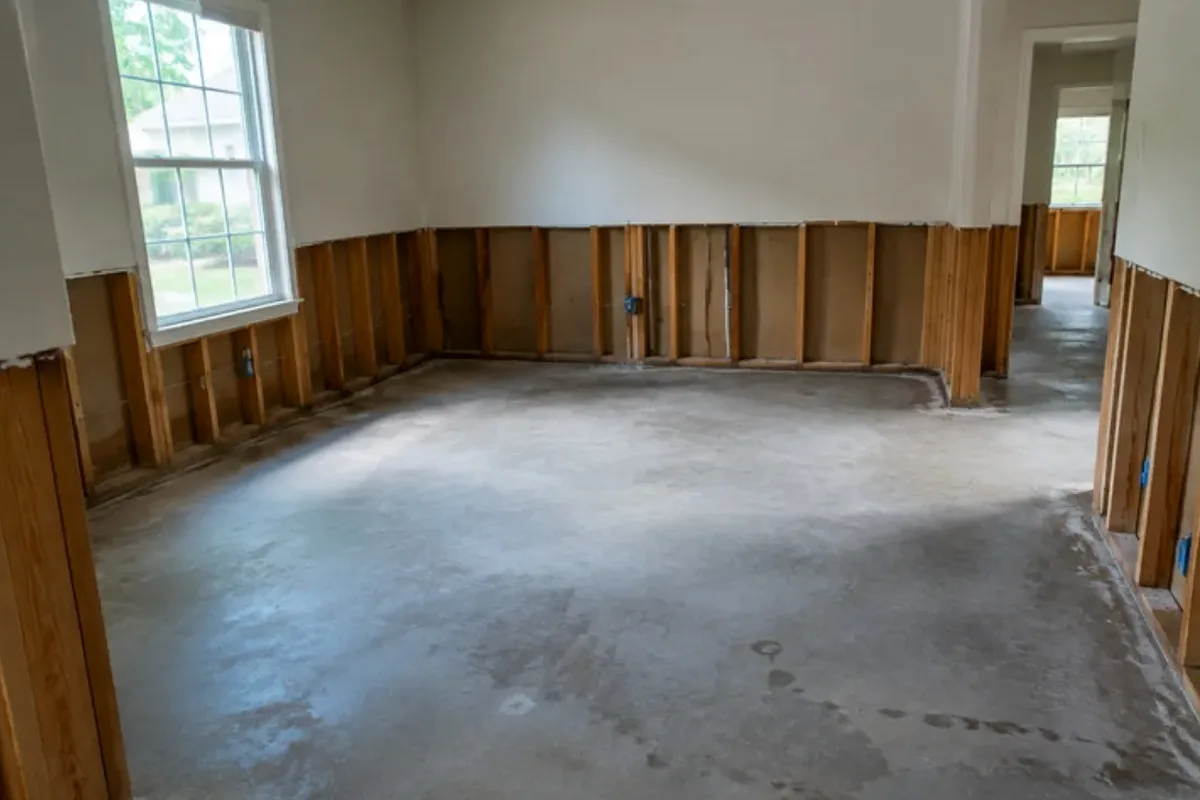
Time is a cost
The longer wet materials sit, the more of them become removal items. Quick drying can save drywall and framing, while a week of dampness often means cutting walls open. Acting early is usually the least expensive step in the whole process. Ask what is saved by drying fast.
Containment, explained
Plastic barriers and negative air machines hold dust inside the work area while wet material comes out. Without them, spores spread through the house on air currents and foot traffic. If a company proposes demolition with no barrier at all, ask why. Ask how the area will be sealed off.
Storm prep that pays off
- Clear gutters and downspouts before spring
- Slope soil away from the slab
- Seal gaps at the foundation edge
- Replace worn door seals and garage thresholds
- Have the roof checked after hail
Walk the property after the first heavy rain, and look for pooling near the slab.
Useful local contacts for Southlake
Anyone hired to assess or remediate 25 contiguous square feet or more of mold in Texas needs a TDLR mold license, and the number can be checked on the agency's license search.
Under TDLR rules, the assessor writes the remediation protocol, the remediator follows it with its own work plan, and a separate assessor handles the post-remediation check.
Remediation itself is cleanup, but putting the room back together can be permitted work; ask the contractor whether Southlake's Building Inspections office needs to be involved.
For flood zone questions after a heavy North Texas storm, FEMA's flood maps and your insurance agent can confirm the mapped zone for an address.
Calls from Southlake are often matched with companies that also cover Colleyville, Grapevine and Keller.
Around Southlake
Calls come in from across Southlake, including around Southlake Town Square, Bob Jones Park, E Dove Rd.
The city offers an interactive map showing whether a property sits in a mapped 100-year or 500-year floodplain or a floodway.
Storm & Flood Mold Removal questions in Southlake
How soon can mold grow after a flood in Southlake?
Who removes mold after storm damage?
Is mold from flood water different?
Do I need clearance testing afterward?
More mold services in Southlake
Storm & Flood Mold Removal nearby
Helpful guides
Sources
Last updated: