Take photos of the water, the damage and any repairs before work begins, and keep receipts. Insurers and flood programs handle claims differently, so ask yours what counts. Call the number on this page to be connected with a local mold company in Flower Mound.
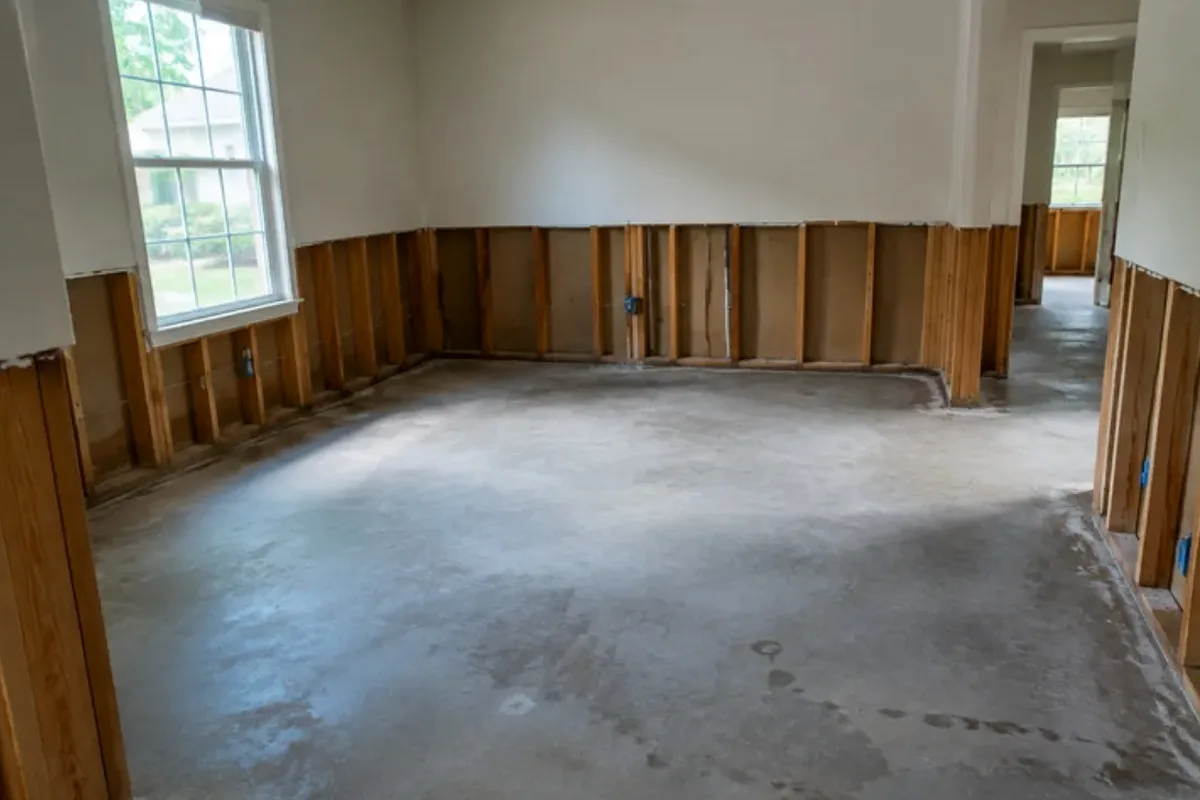
What water from outside leaves behind
Creek overflow, street runoff and water pushed through a foundation gap bring silt and debris with them. Surfaces feel gritty or slick, a film dries on floors and a sour odor follows. That mix feeds mold faster than clean tap water would. A quick wipe test helps.
How storms get water into North Texas homes
Severe spring storms bring hail that damages roofs, wind-driven rain that finds gaps around windows and doors, and downpours that flood streets and low yards. Each path soaks a different part of the house, so mold tends to appear in different places.
Many 1990s neighborhoods in Flower Mound sit on graded lots where runoff is meant to drain away. Clogged drains or changed grading can send water to the slab edge instead.
Near the shore, a high water table and saturated soil keep slabs damp long after a storm. Moisture readings help separate leftover ground water from a new leak.
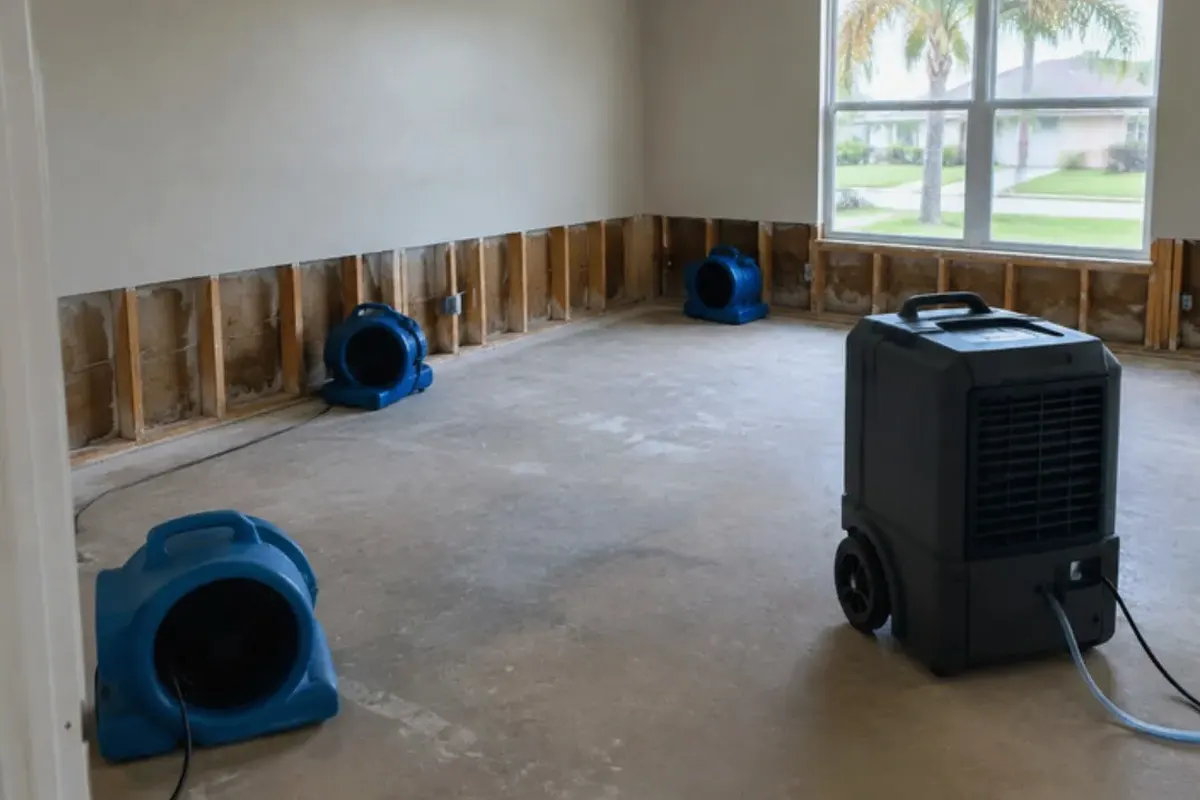
Assessment, plan and clearance
Texas generally separates the company that writes the assessment and protocol from the one that does the removal, and a larger job ends with clearance. Those steps add cost, but they also give you an independent finding that the work is finished. Ask who writes each document.
Get your paperwork ready
Have photos of the water and damage, the date it happened, any roofer or plumber invoices and your insurance claim number. Know where the electrical panel and water shutoff are. Clear a path to the affected rooms and attic hatch so the work can start without any delay.
Before work starts in Flower Mound
Mold work in Texas is regulated by TDLR. Projects under 25 contiguous square feet can be handled without a license, but anything larger calls for a company holding a TDLR mold credential, which you can verify online.
Under TDLR rules, the assessor writes the remediation protocol, the remediator follows it with its own work plan, and a separate assessor handles the post-remediation check.
Rebuild work after the mold comes out, such as new drywall or framing, may need a permit; Flower Mound's Building Inspections office is the office for Flower Mound addresses.
For flood zone questions after a heavy North Texas storm, FEMA's flood maps and your insurance agent can confirm the mapped zone for an address.
Nearby, the same kind of help is available in Lewisville, Southlake and Grapevine.
Urgent signs
Act soon if water sat more than a day or two, if carpet pad is still wet, if the smell is strong or if sewage was involved. Do not run electronics in wet rooms. Any sign of structural sagging or a ceiling bulging with water needs attention right away.
More about Flower Mound
Calls come in from across Flower Mound, including around FM 2499 (Long Prairie Road), FM 1171, Lakeside Parkway.
Storm & Flood Mold Removal questions in Flower Mound
Is mold from flood water different?
Can I just dry the house with fans?
Can one company test and remove the mold?
Does living near a lake change what I should do?
More mold services in Flower Mound
Storm & Flood Mold Removal nearby
Helpful guides
Sources
Last updated: