If clearance does not pass, the assessor notes what failed, the remediator repeats the work in those spots and the area is checked again. A failed first look is common enough that owners should plan for it. Call the number on this page to be connected with a local mold company in Cresson.
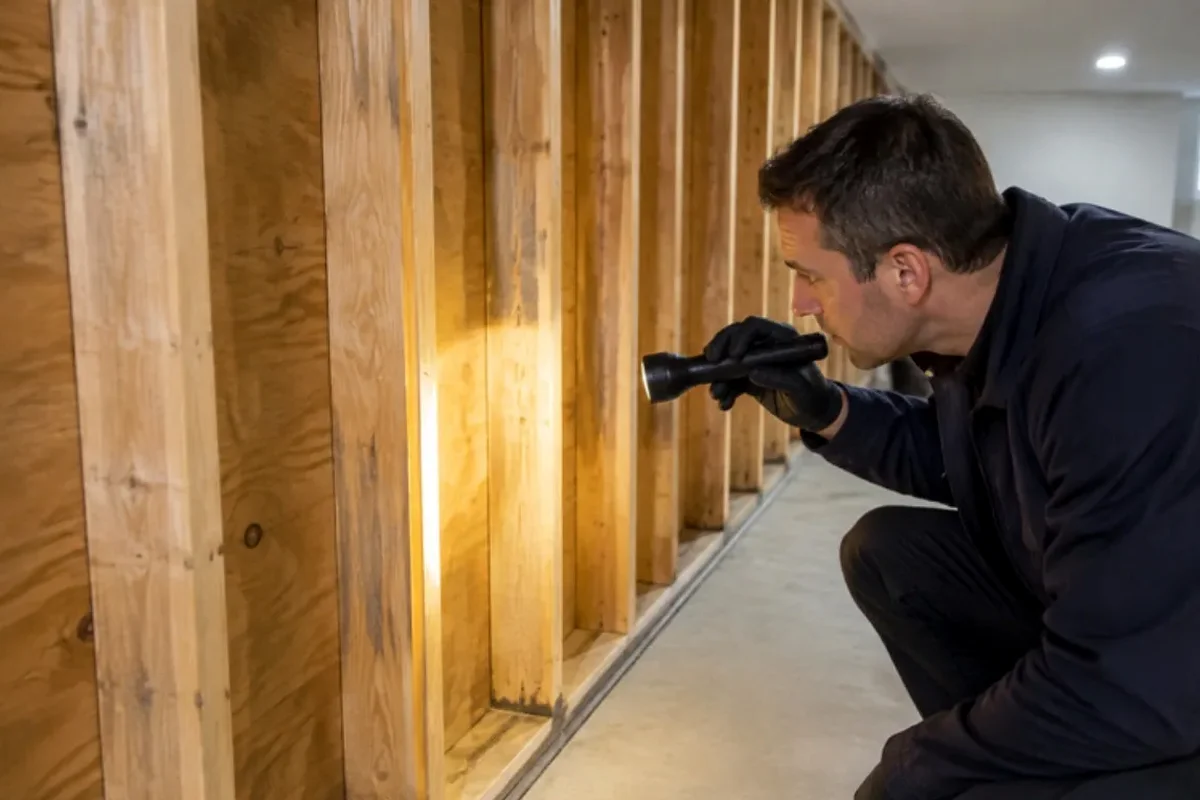
Clearance versus an inspection
An ordinary mold inspection asks whether there is a problem. Clearance asks whether the specific problem identified in the protocol was resolved. The second question is narrower, tied to the original findings and the remediator's work plan, and usually quicker to answer than a full inspection.
Air sampling after cleanup
Many projects include air samples inside the work area and outdoors on the same visit. The lab's spore counts for the cleaned space should fall in line with the outdoor reference or the protocol's criteria, rather than sitting well above what the outdoor sample shows that day.
Out on acreage, the outdoor comparison sample should come from a spot away from hay, livestock and fields so it reflects ordinary background air.
Budget items to ask about
- Number of samples in the protocol
- Moisture survey during the visit
- Written clearance report
- Cost of a re-check if it fails
- Certificate paperwork
- Photos in the report
Knowing these upfront prevents surprises later and lets you compare two companies on equal terms before you commit to either one.
Useful local contacts for Cresson
Before signing, look up the company's TDLR mold license; Texas requires one for assessment or remediation projects of 25 contiguous square feet or more.
Under TDLR rules, the assessor writes the remediation protocol, the remediator follows it with its own work plan, and a separate assessor handles the post-remediation check.
Remediation itself is cleanup, but putting the room back together can be permitted work; ask the contractor whether the local building department needs to be involved.
Water that came in from outside raises insurance questions; FEMA's flood map search shows whether the property sits in a mapped flood zone.
Nearby, the same kind of help is available in Granbury, Godley and Aledo.
What the visit looks like
Expect the assessor to review the protocol, walk the work area, photograph conditions, take moisture readings and collect samples. A typical work area takes a couple of hours. They may ask the remediator questions, but the final decision on whether to pass remains theirs alone.
Patience before rebuilding
The urge to close up walls the moment cleanup ends is strong, but wait for the written pass. Covering failed areas means tearing finished surfaces out later. A short delay for the assessor's visit costs less than redoing paint, drywall and trim. Your rebuild contractor will understand.
Post-Remediation Clearance Testing questions in Cresson
Can the remediator clear its own work?
When should clearance be done?
How long until I get clearance results in Cresson?
Can I rebuild before clearance?
More mold services in Cresson
Post-Remediation Clearance Testing nearby
Helpful guides
Sources
Last updated: