Clearance is not a numeric health guarantee. The assessor looks for visible growth, dust and moisture, and compares post-job samples with outdoor air or with the project's own criteria. If you have health concerns, talk with your doctor. Call the number on this page to be connected with a local mold company in Cleburne.
Why a separate company does it
If the crew that removed the mold also judged the outcome, nobody would be checking their work. Texas keeps the roles apart, so the clearance assessor answers to you, not to the contractor. That is the whole point of the arrangement, and it protects you.
The visual walkthrough
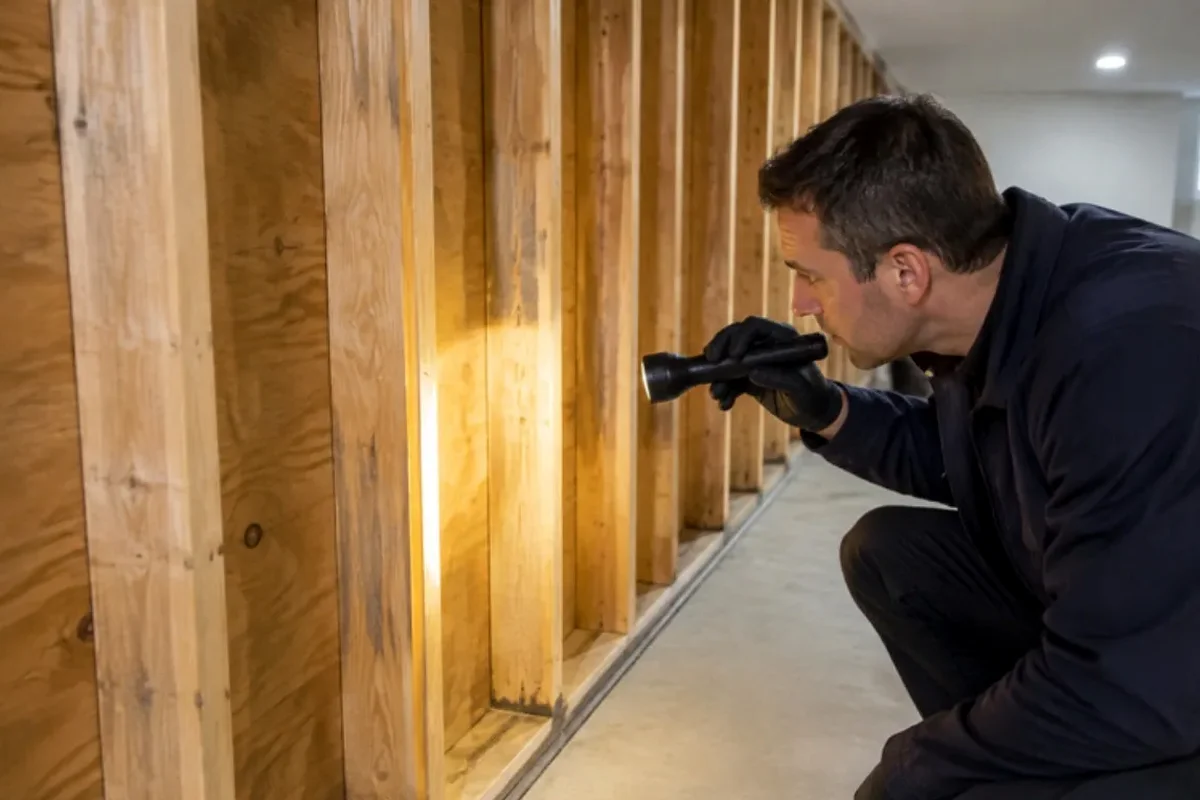
The assessor starts by looking. Surfaces in the work area should be free of visible growth, dust and debris, and removed materials should be gone from the site. Any remaining staining is also noted, because it may point to moisture or to missed cleaning in that spot.
The cost of skipping it
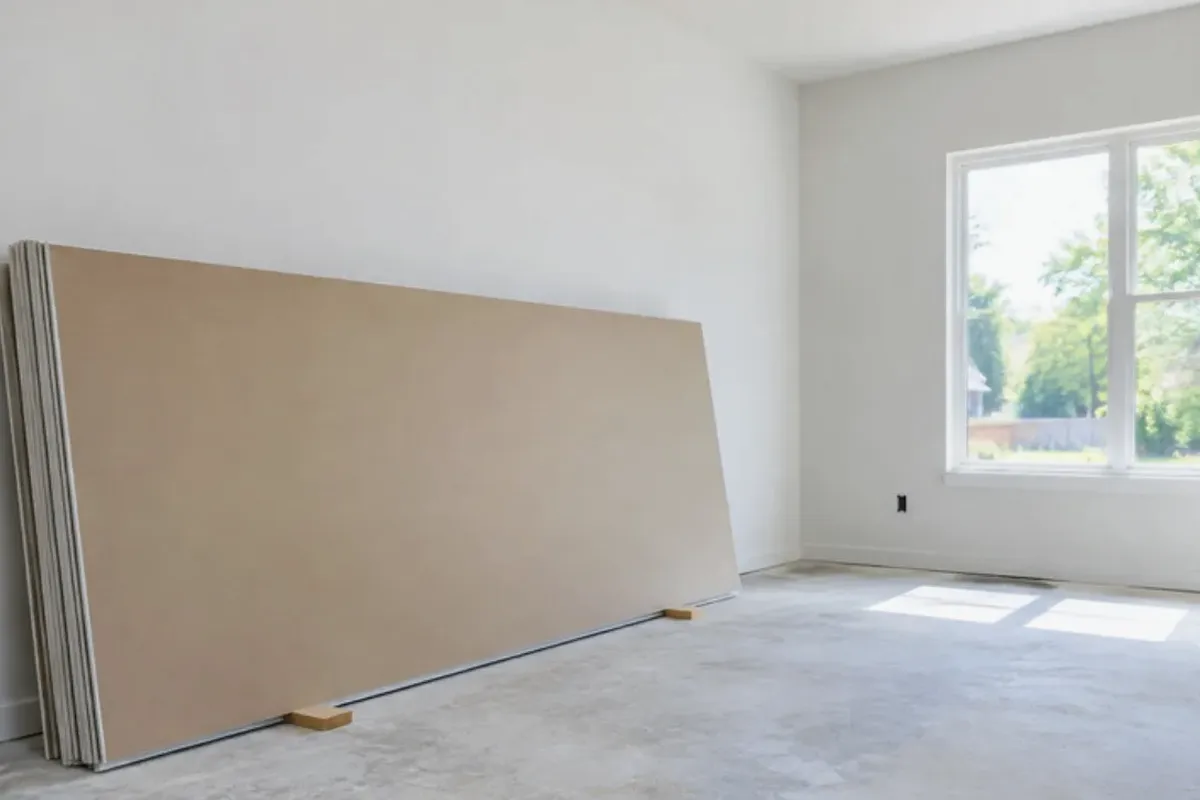
Reopening walls because nobody confirmed the work is usually more expensive than the check itself. Add the risk of a stalled sale or a disputed claim and the final assessment looks fairly modest by comparison. Consider it part of the project itself, not an optional extra.
Useful local contacts for Cleburne
The state draws its line at 25 contiguous square feet: above that, the assessor and the remediator both need a TDLR mold license. TDLR's online search shows whether a license is current.
Under TDLR rules, the assessor writes the remediation protocol, the remediator follows it with its own work plan, and a separate assessor handles the post-remediation check.
If the job grows into replacing drywall, cabinets or framing, ask whether the rebuild needs a permit from Cleburne's Building Inspections Division.
Water that came in from outside raises insurance questions; FEMA's flood map search shows whether the property sits in a mapped flood zone.
Nearby, the same kind of help is available in Keene, Joshua and Alvarado.
Questions to ask the assessor
Confirm they hold a TDLR mold license, which you can verify on TDLR's search. Ask what the protocol's criteria are, how many samples they will take, which lab they use and when the written report arrives. Also confirm they have no connection to the remediator.
Think of it as the last step
The sequence is find the water, write the protocol, remediate with a separate company, then clear the project. Clearance closes that loop. Skipping any piece leaves the house without proof that the original problem was resolved. Call to talk through where your project stands.
Post-Remediation Clearance Testing questions in Cleburne
Is a passed clearance a health guarantee?
Do I need clearance for a small cleanup?
Is the assessor the same one who wrote the protocol?
Can I rebuild before clearance?
More mold services in Cleburne
Post-Remediation Clearance Testing nearby
Helpful guides
Sources
Last updated: